

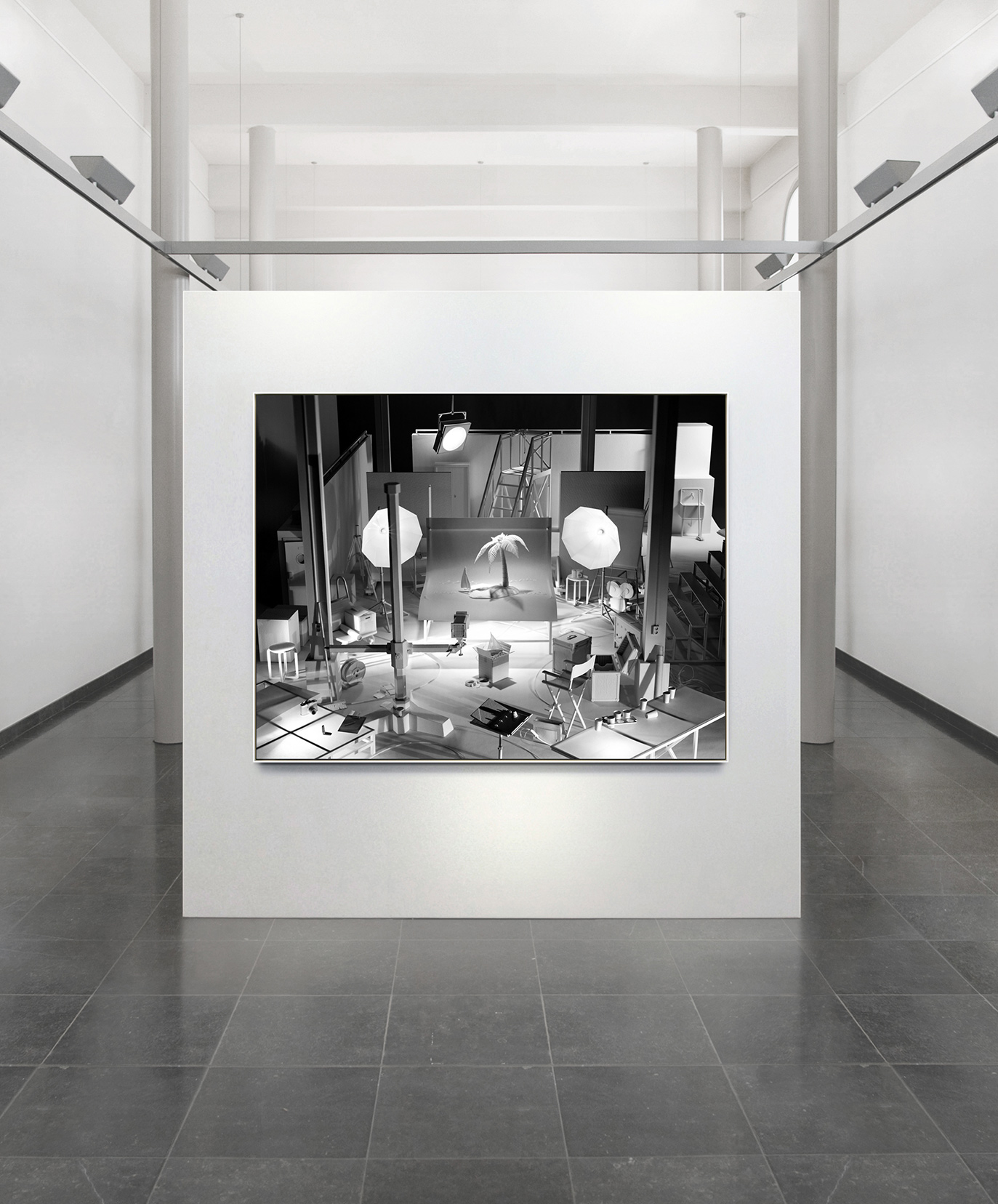
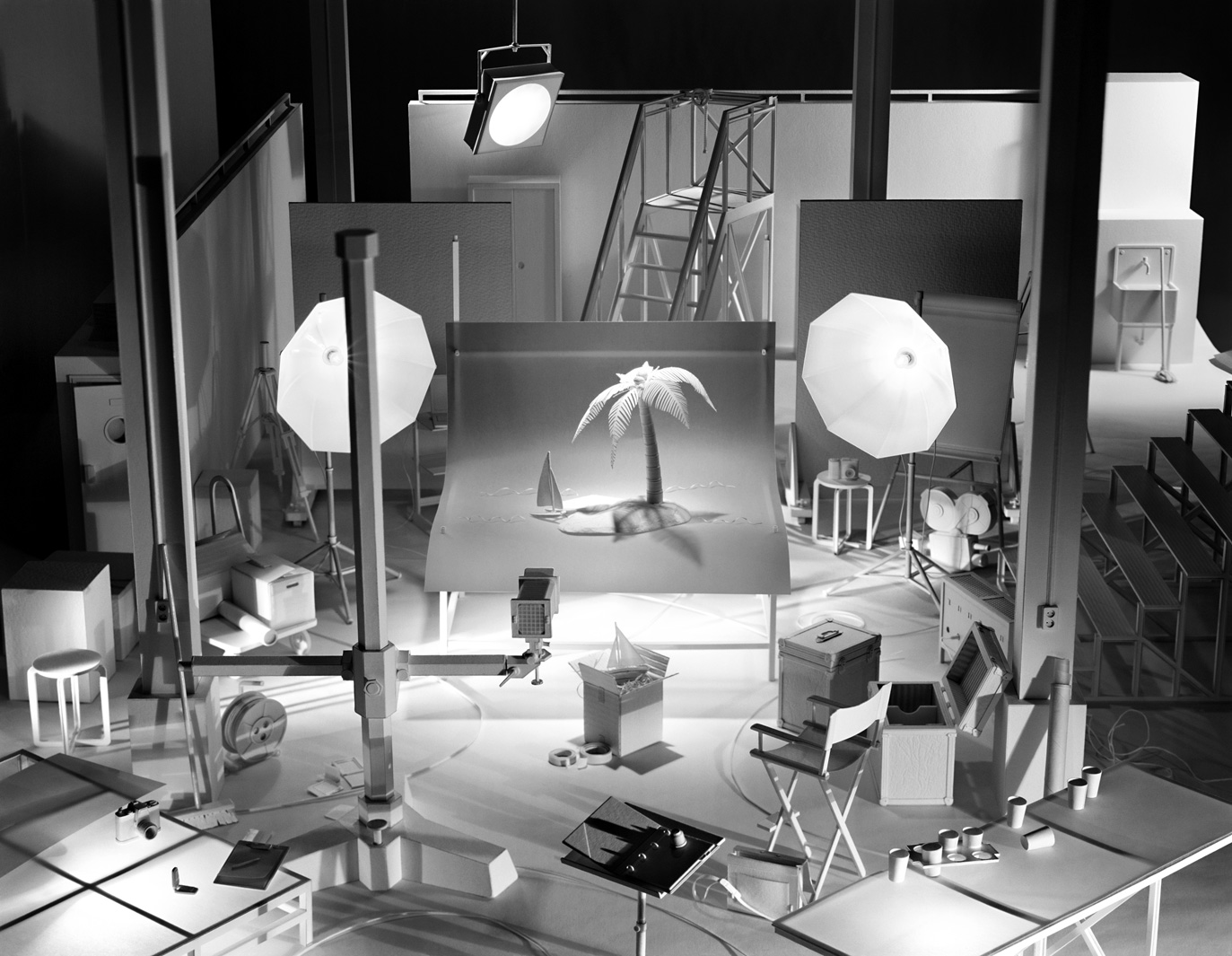
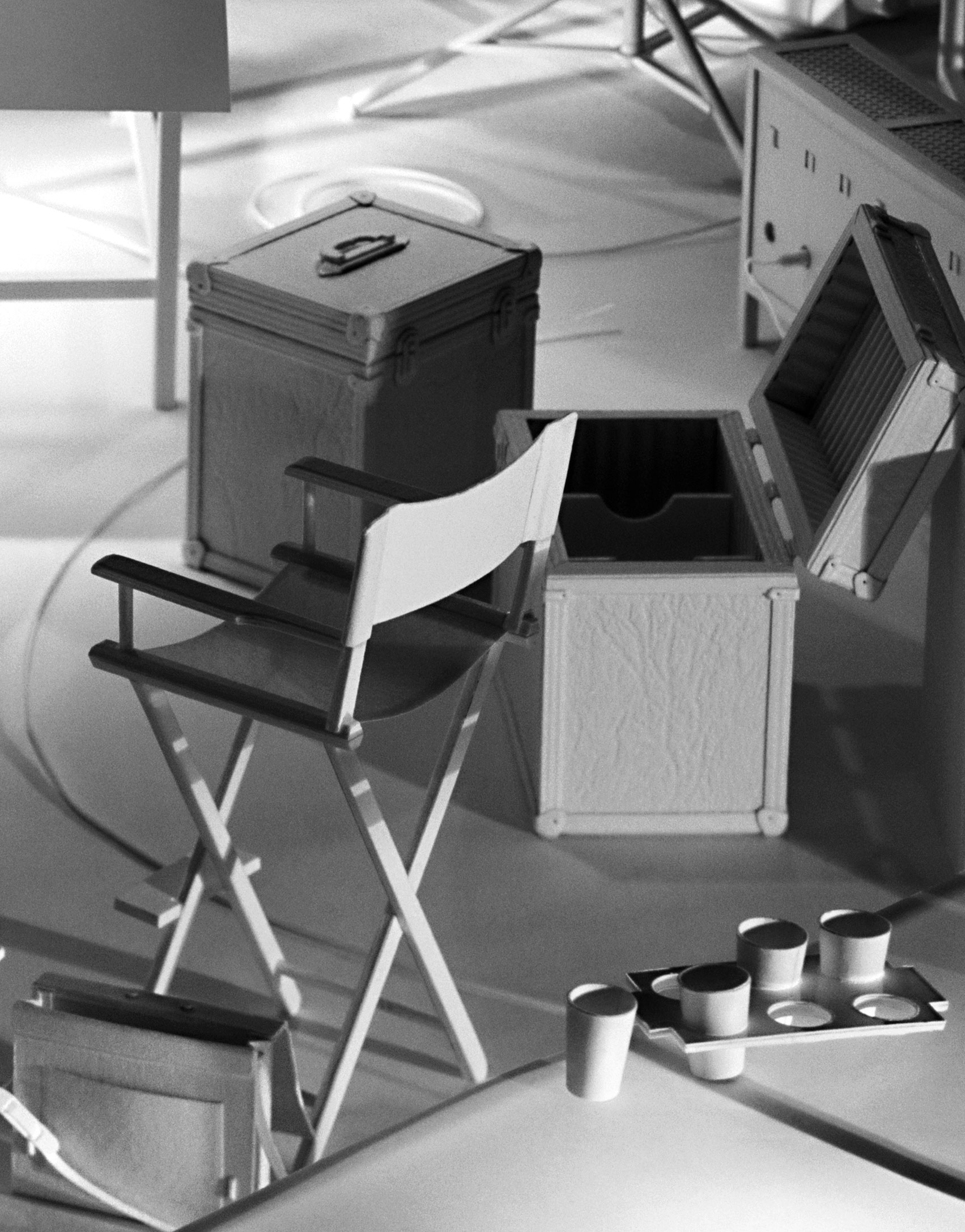
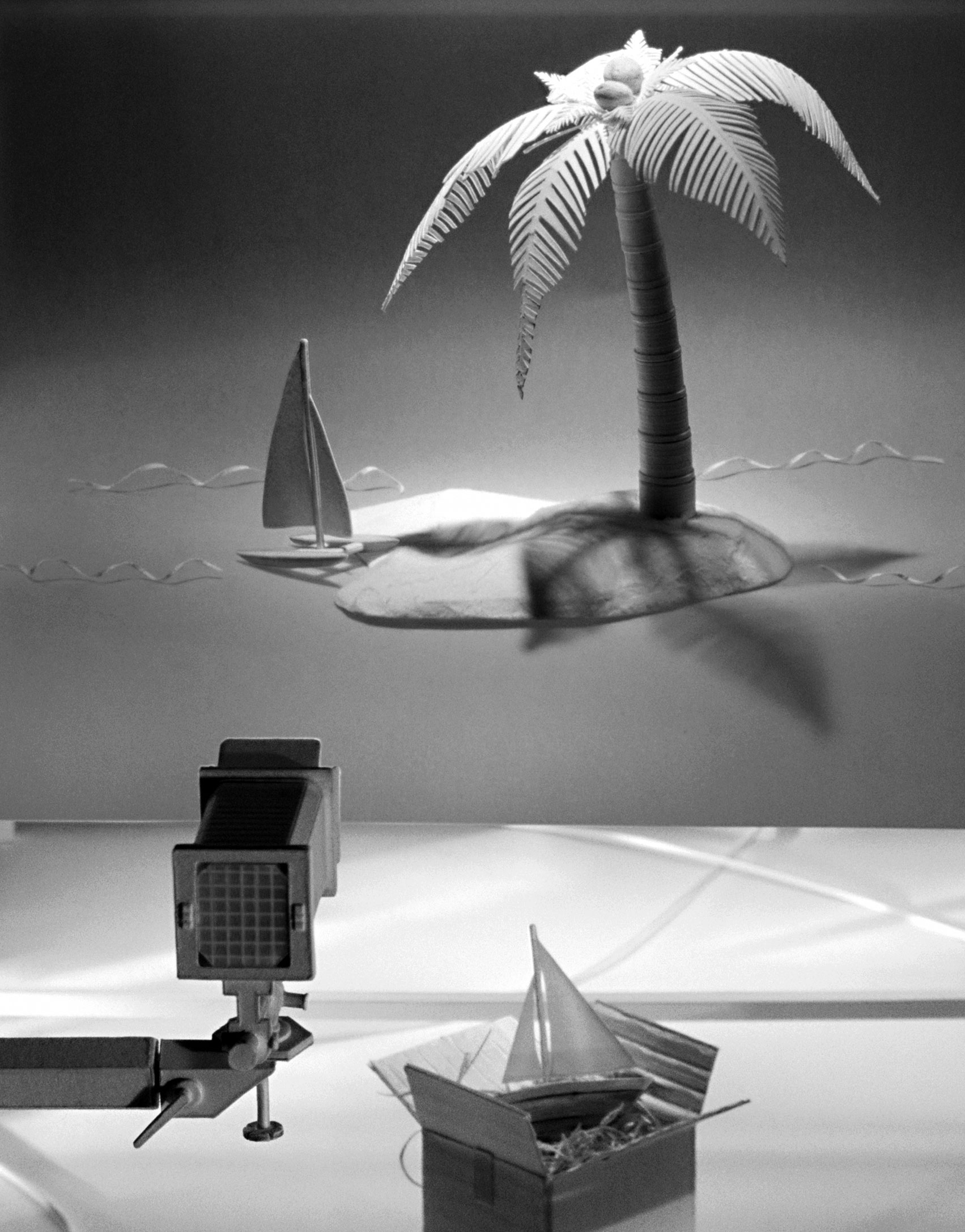
To view the text on the artwork, please scroll down.


To view the text on the artwork, please scroll down.


I wold not be in a folis paradyce
– The phrase 'fool's paradise' refers to a situation where someone is happy or content based on false beliefs or unrealistic expectations.
In essence, the phrase serves to illustrate the notion that a lack of knowledge can result in a misplaced sense of security or contentment. –
As the title suggests, this is an age-old story.
Some manipulate others for their own benefit. Even indirectly, they may do so as part of a system or structure. Others may believe in this manipulation and see it as a reflection of their inner life, often presented as entertainment that provides a general sense of satisfaction or fulfilment. These roles often overlap, with individuals playing both at different levels.
The question arises whether we should uncritically accept the information presented to us.
From my perspective, true reality lies beyond the immediate context.
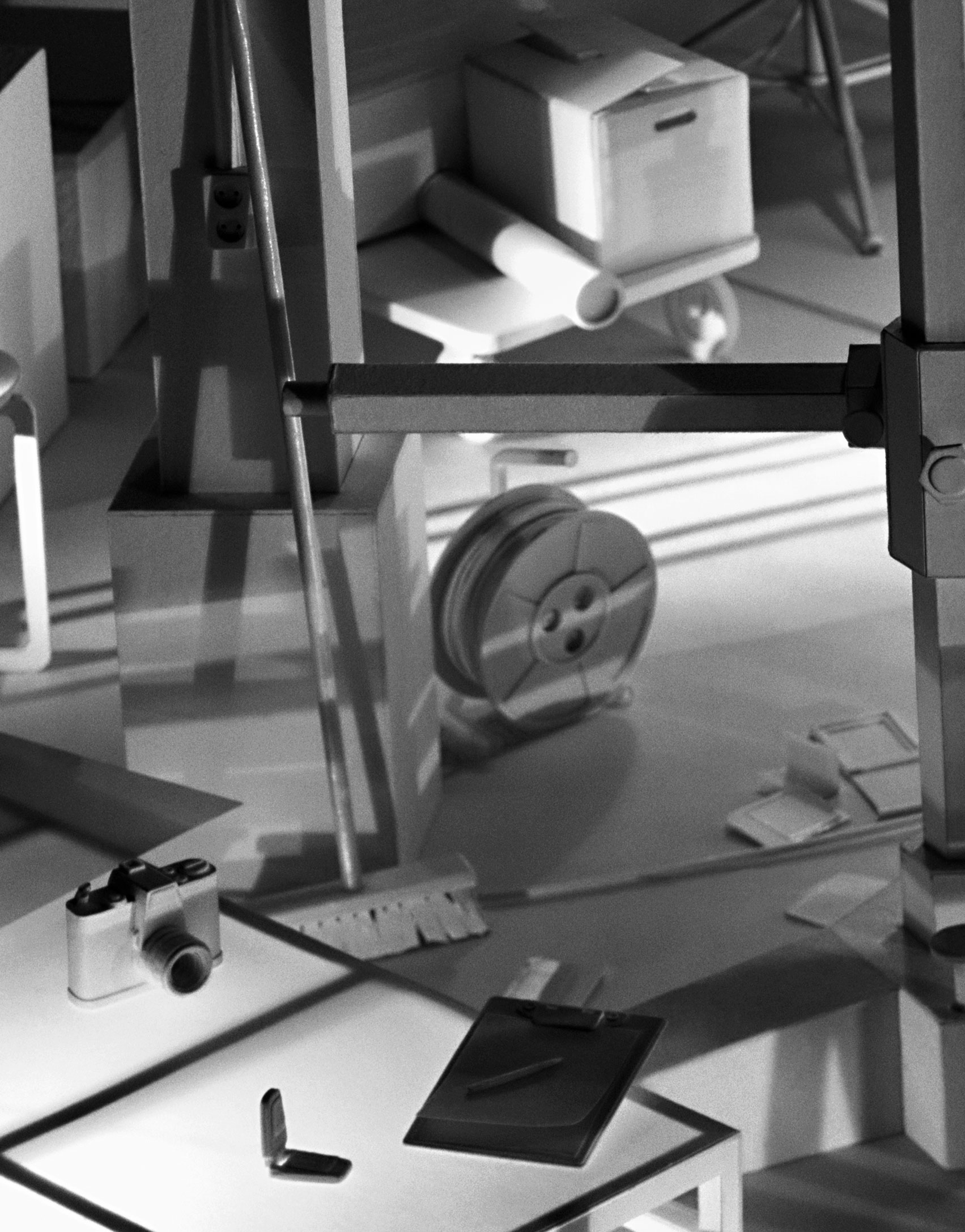
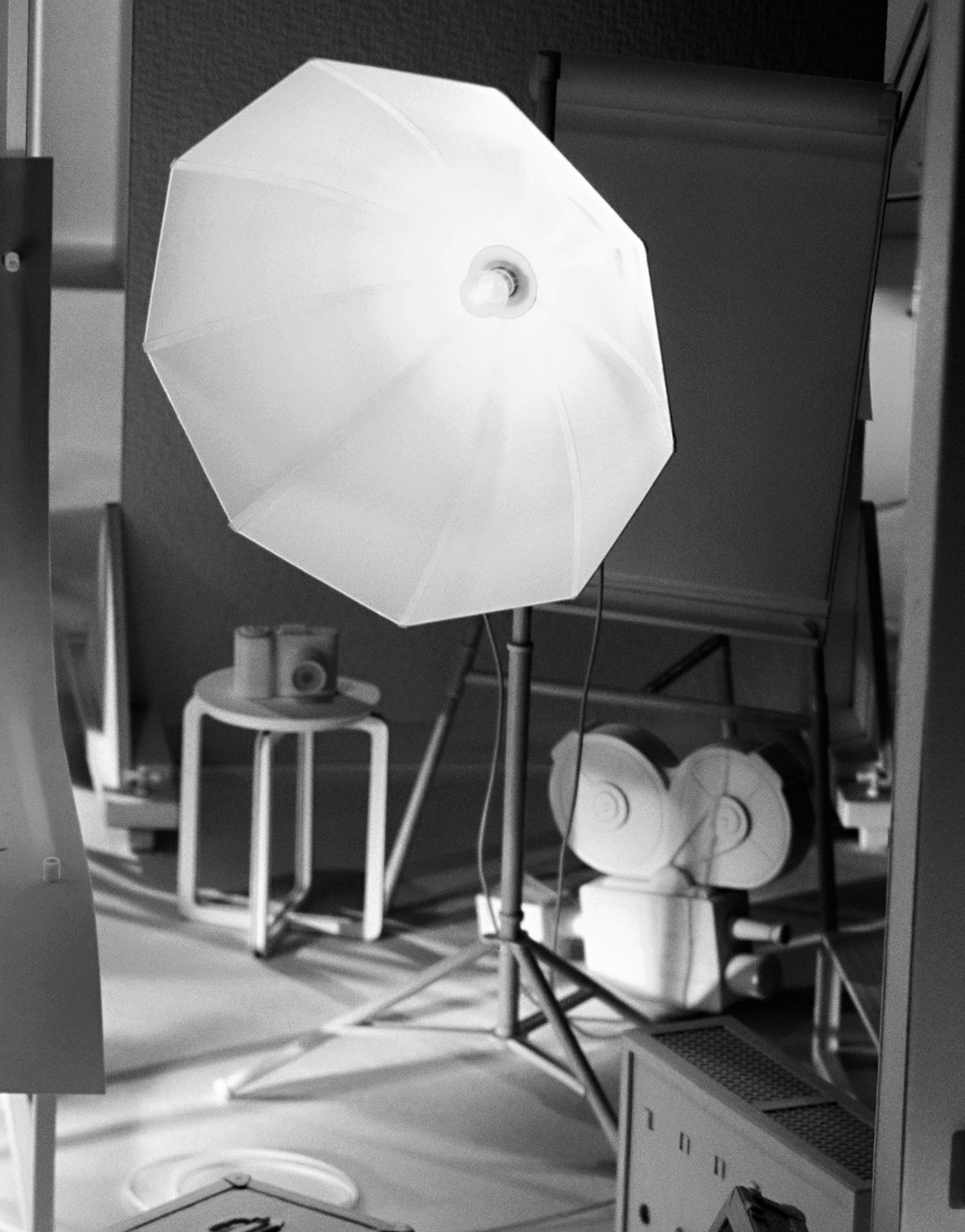
It is not on stage, but behind the scenes. Not in the photograph, but in the studio.
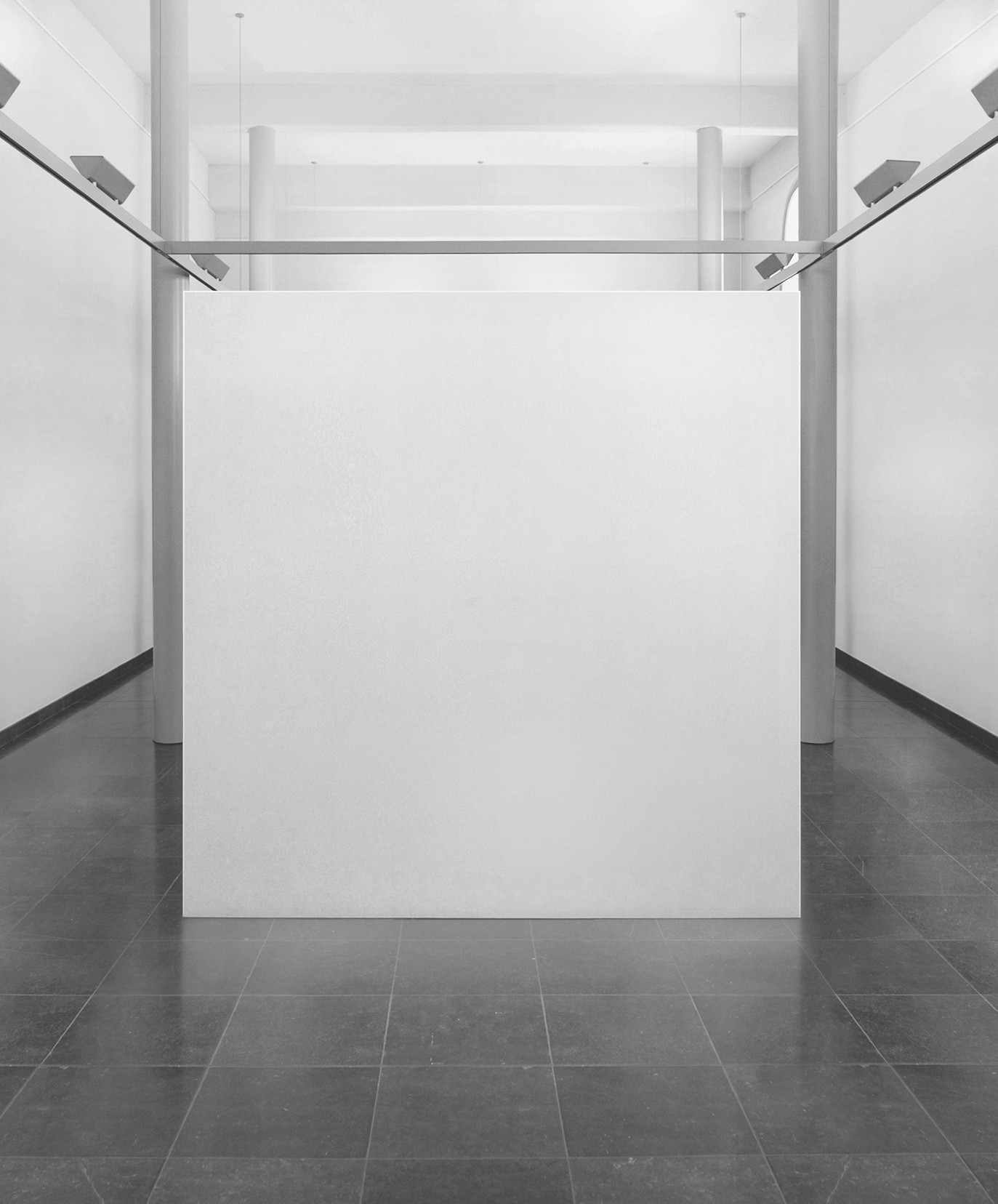
I am not interested in the magic trick, but in the search for the hidden compartment. The false bottom. The untapped space of information.
The practice of seduction is ultimately devoid of content, while the search for knowledge is imbued in wonder.
Note on the Title:
Origine: "I wold not be in a folis paradyce"
An early phrase, first recorded in the Paston Letters, 1462
Shakespeare later used it in Romeo and Juliet.
I wold not be in a folis paradyce
– De uitdrukking 'Paradijs voor dwazen' verwijst naar een situatie waarin iemand gelukkig of tevreden is op basis van valse overtuigingen of onrealistische verwachtingen.
Het illustreert hoe gebrek aan kennis kan leiden tot een misplaatst gevoel van veiligheid of tevredenheid. –
Zoals de titel doet vermoeden, is het een eeuwenoud verhaal.
Sommigen manipuleren anderen voor persoonlijk gewin. Zelfs als ze niet direct betrokken zijn, doen ze dit vaak als onderdeel van een systeem of structuur. Anderen geloven in deze manipulatie en zien het als een weerspiegeling van hun innerlijke leven, vaak gepresenteerd als entertainment dat een algemeen gevoel van voldoening of vervulling geeft. Deze rollen overlappen vaak, waarbij individuen beide tegelijkertijd kunnen spelen op verschillende niveaus.
De vraag rijst of we de gepresenteerde informatie kritiekloos zouden moeten accepteren.
Vanuit mijn perspectief ligt de ware realiteit buiten de directe context.
Het is niet op het podium, maar achter de schermen. Niet in de foto, maar in de studio.
Ik ben niet geïnteresseerd in de goocheltruc, maar in de zoektocht naar het verborgen compartiment. De valse bodem. De onaangesproken ruimte van informatie.
De praktijk van de verleiding is uiteindelijk verstoken van inhoud, terwijl de zoektocht naar kennis doordrongen is van verwondering.
Opmerking bij de titel:
Herkomst: "I wold not be in a folis paradyce"
Een vroeg gezegde, voor het eerst opgenomen in de Paston Letters, 1462
Shakespeare gebruikte het later in Romeo en Julia.