

To view the text on Reconstruction I, please scroll down.


To view the text on Reconstruction I, please scroll down.


RECONSTRUCTION I
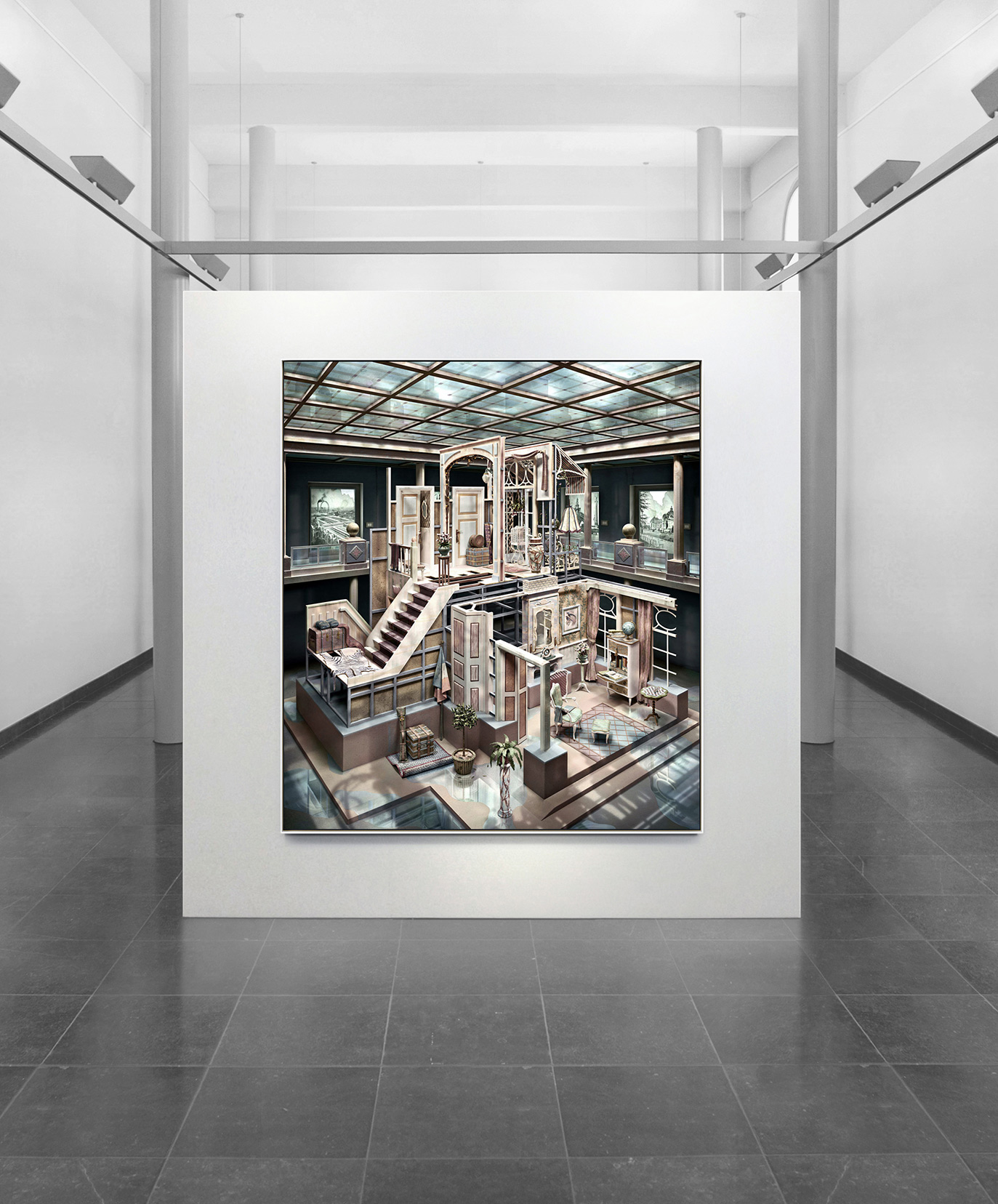
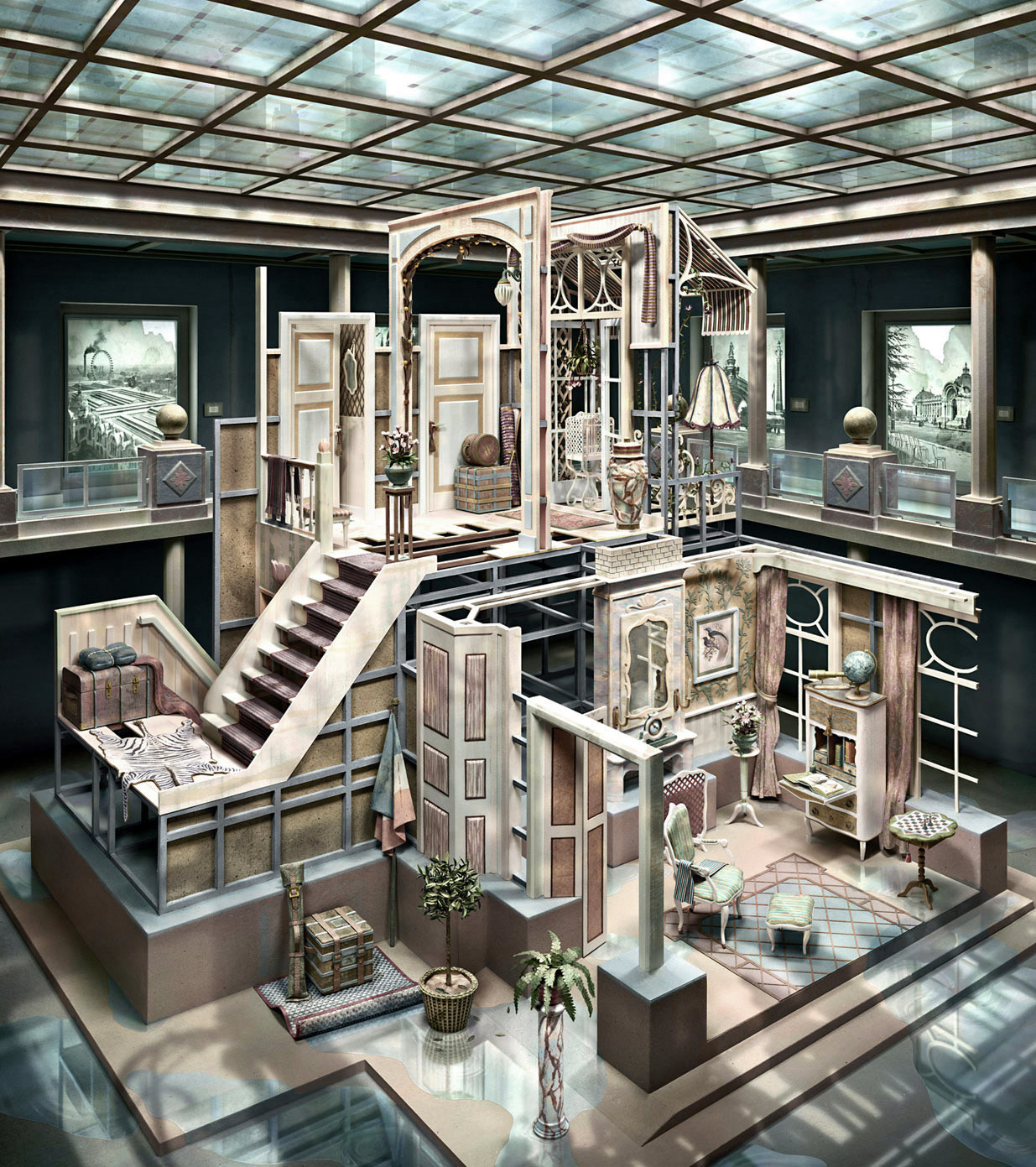
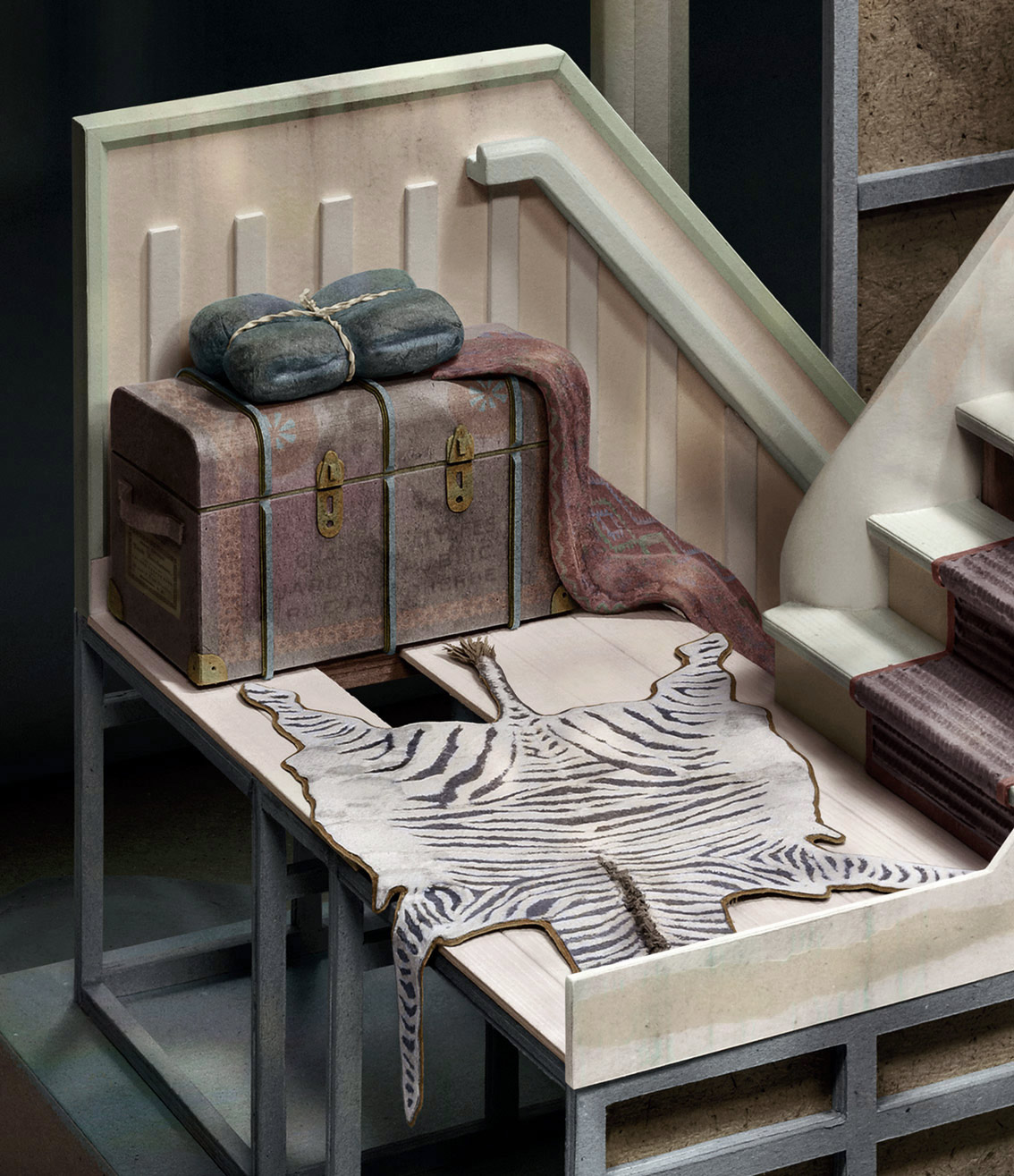
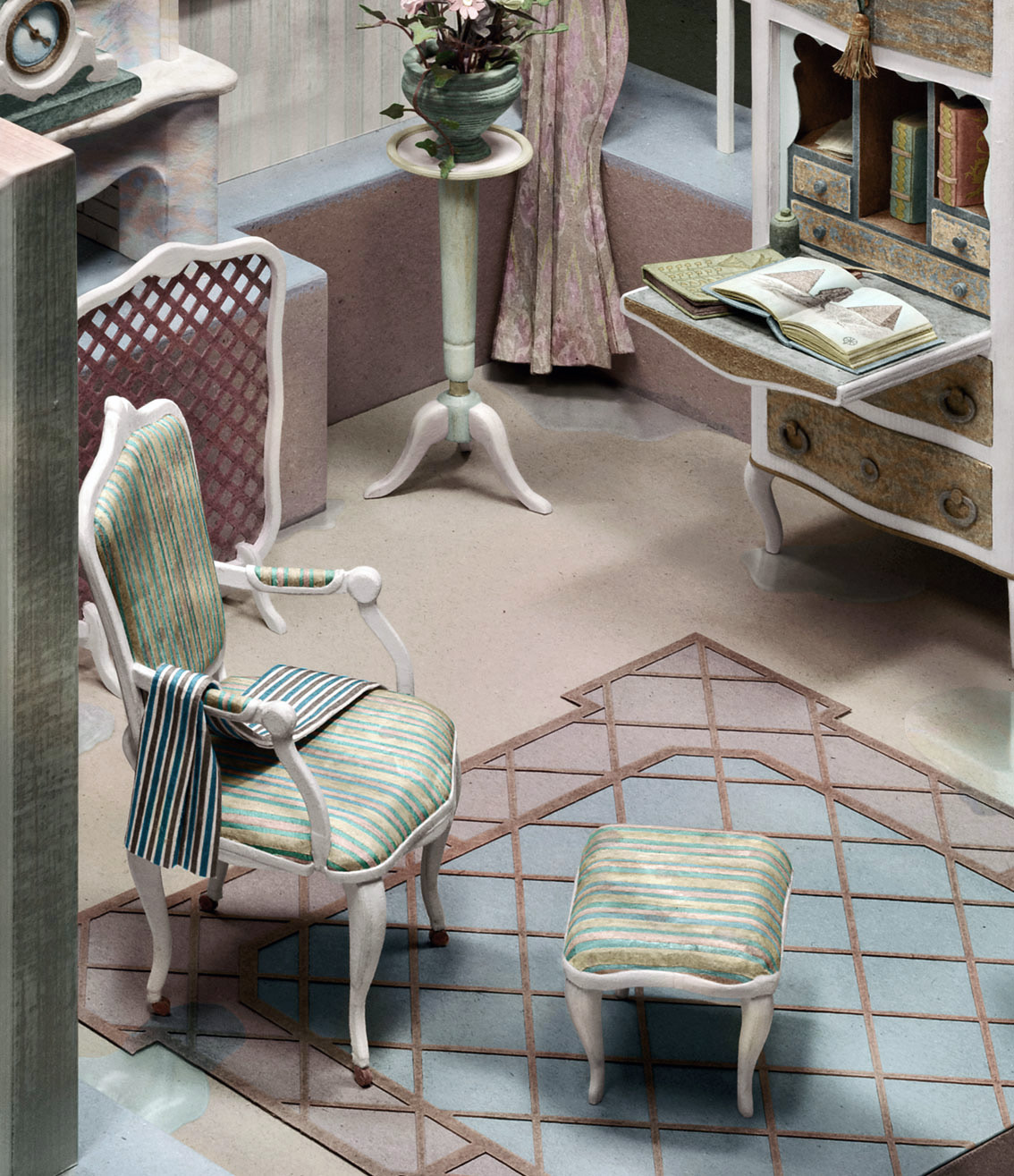
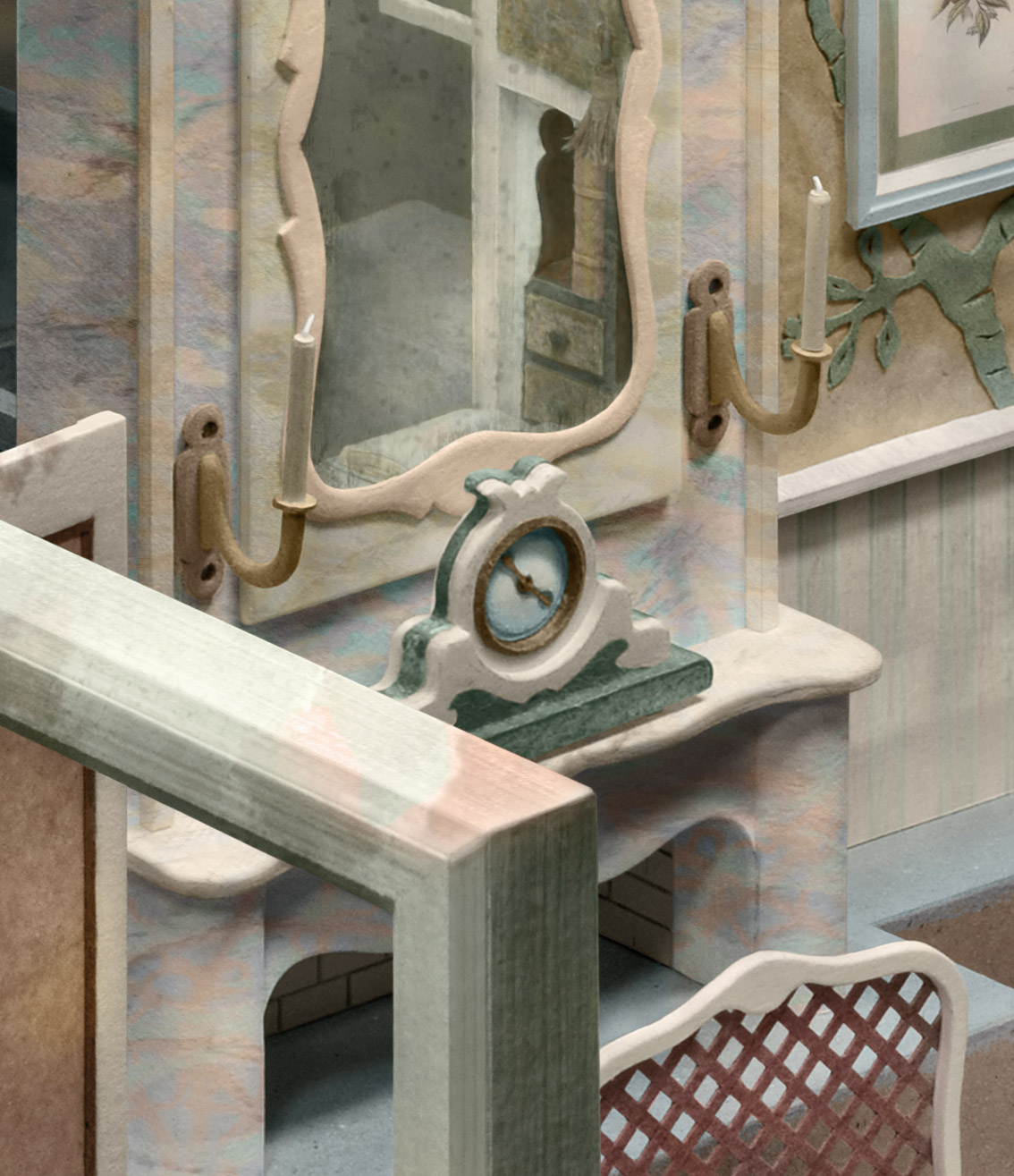
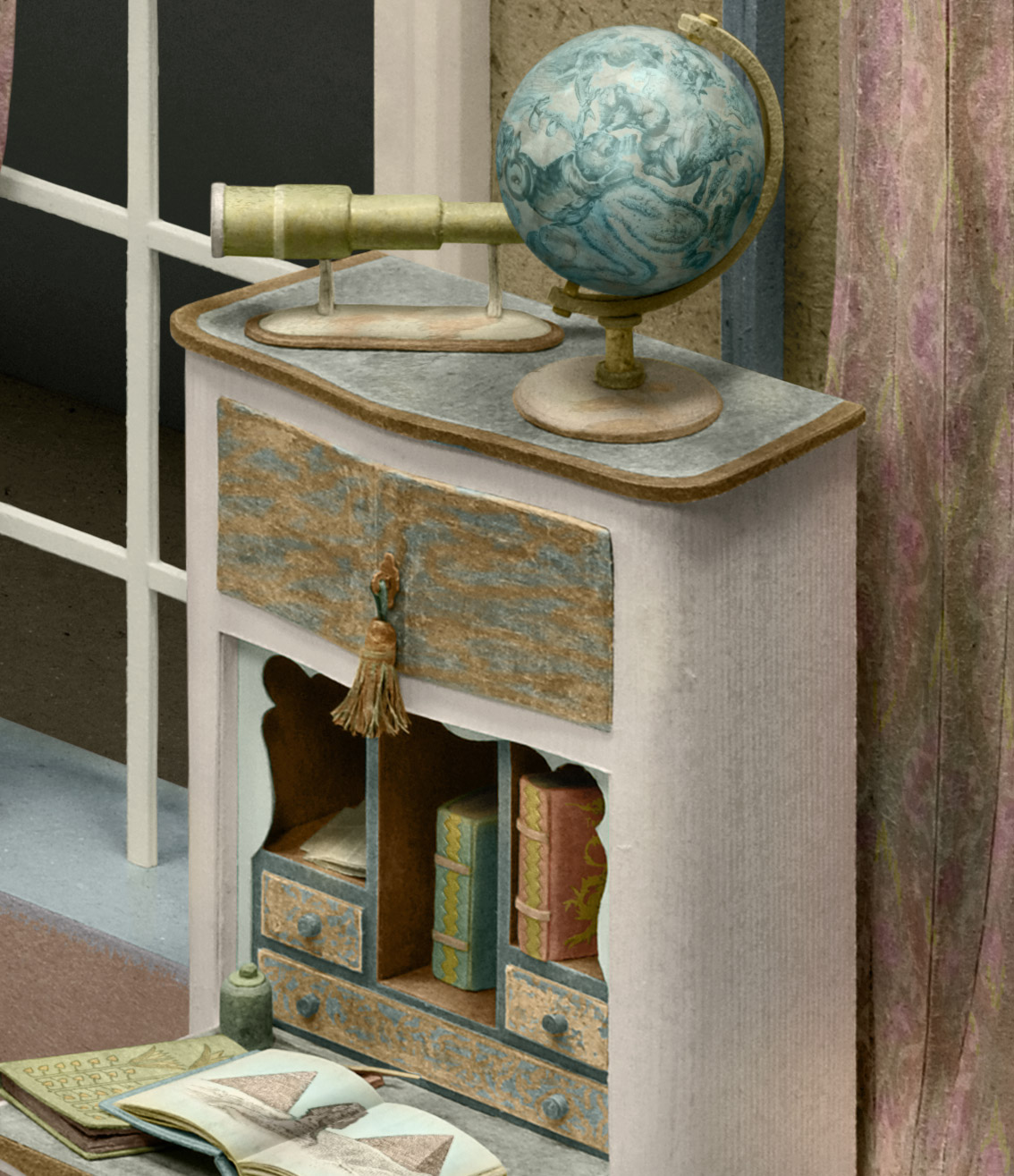
We look at a stately town mansion from the early nineteenth century.
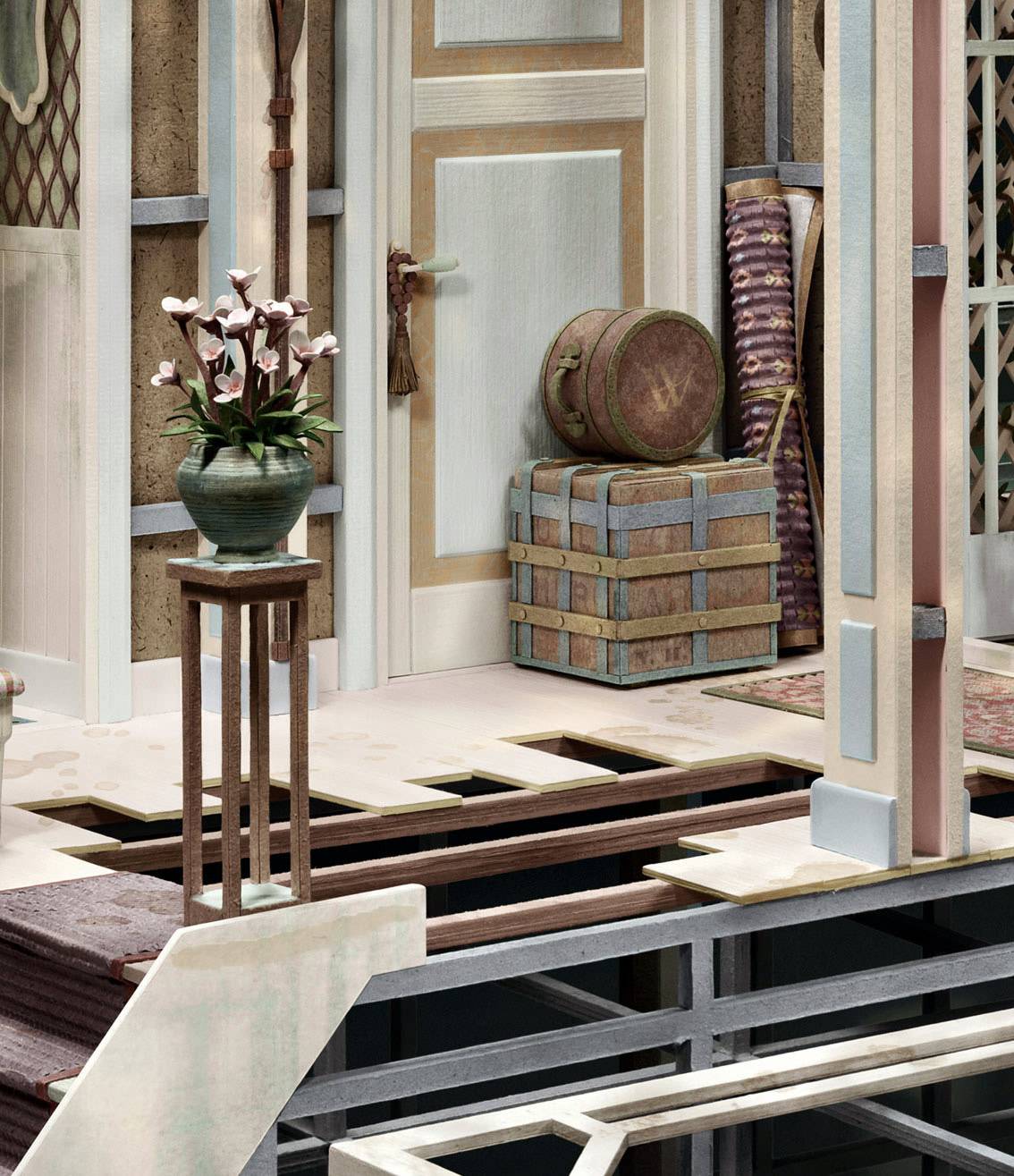
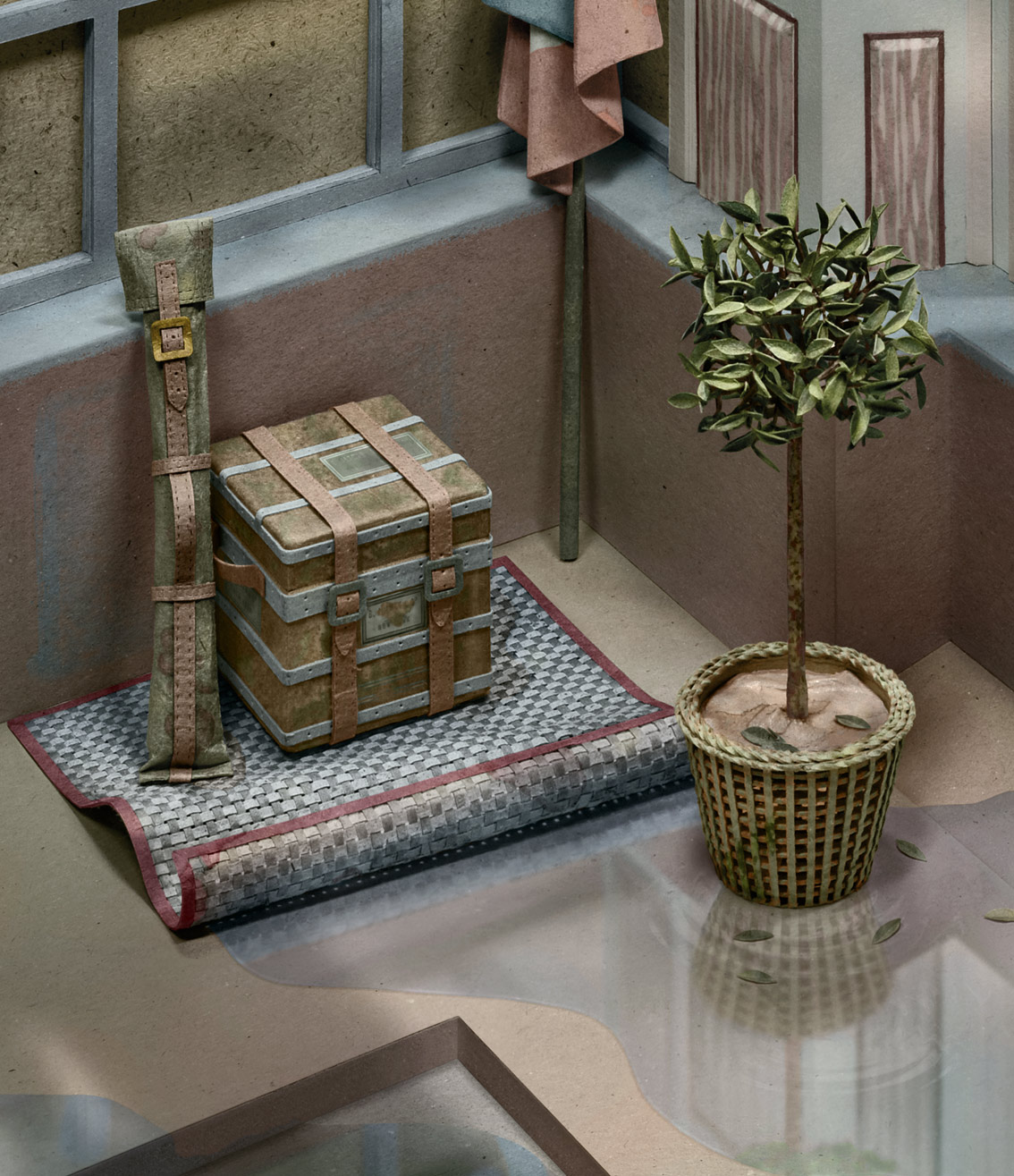
The interior reflects the influence of science and the spirit of discovery on the daily life of the bourgeoisie. The objects refer to a life outside the house. From books on colonial empires to a collection of Turkish kilims. A citizen of the world. A glimpse of the modern mindset.
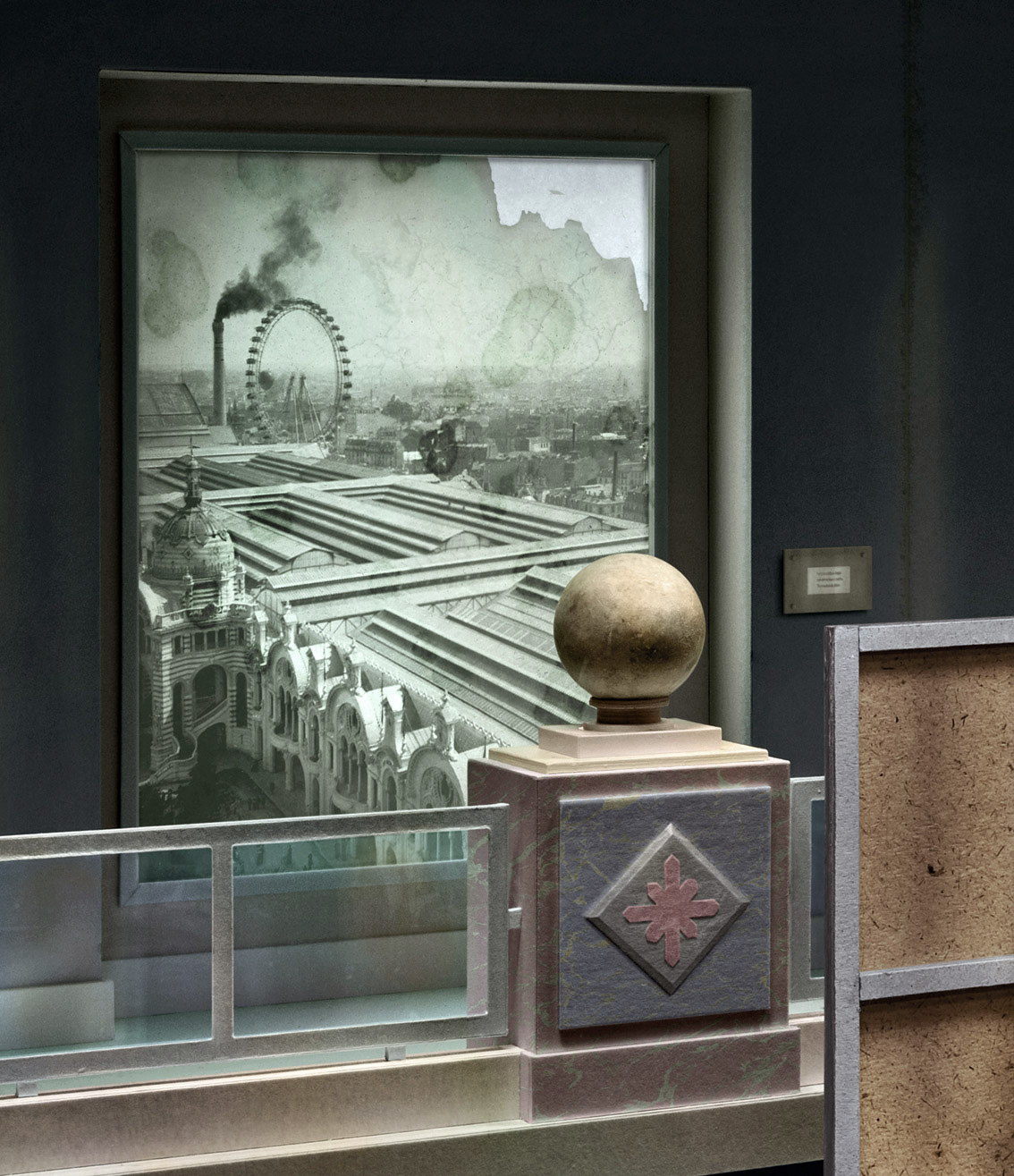
This is a period when the industrial and material world was presented as an ideal at the first World’s Fairs. They ushered in the industrial revolution and demonstrated advanced technology to the world community. It was not just a presentation of possibilities; it was a vision of the future.
As Russian writer Fyodor Dostoevsky realised during his stay in London in 1862, where the Great Exhibition took place, what he saw there was of world-historical importance. ‘You become aware of an enormous idea,’ he wrote after visiting the exhibition, which displayed an exuberant material culture.
But he also saw it as a warning: ‘You feel that it takes great, eternal denial and luck not to surrender, not to capitulate to what you see, not to bow to what is, not to accept the material world as your ideal.’
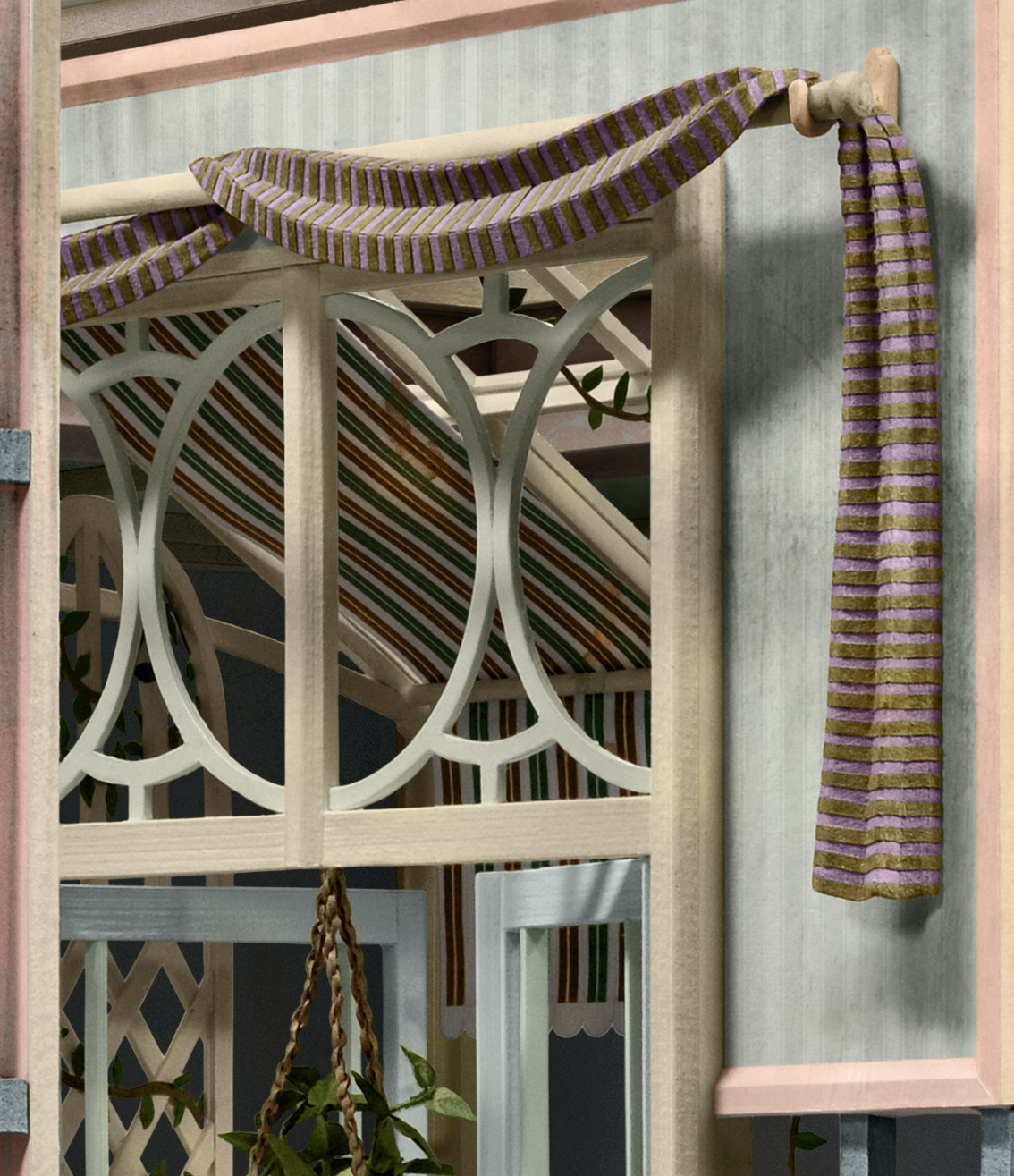
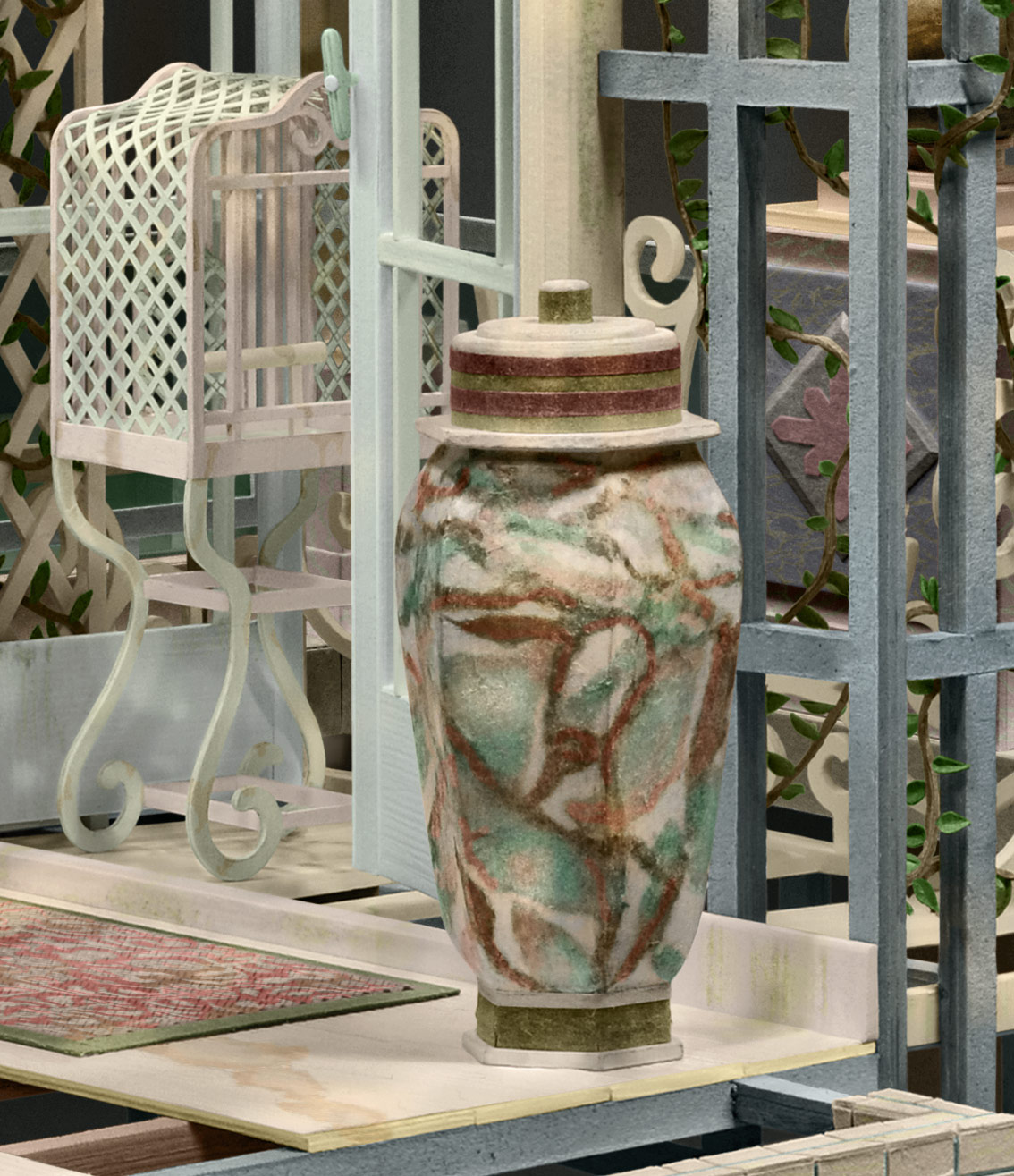
Only the remnants of the mansion remain. It has been carefully rebuilt, as if an archaeological find. There are literally gaps to be filled, information missing. To make it understandable, it must be placed in a context that has been intentionally reconstructed.
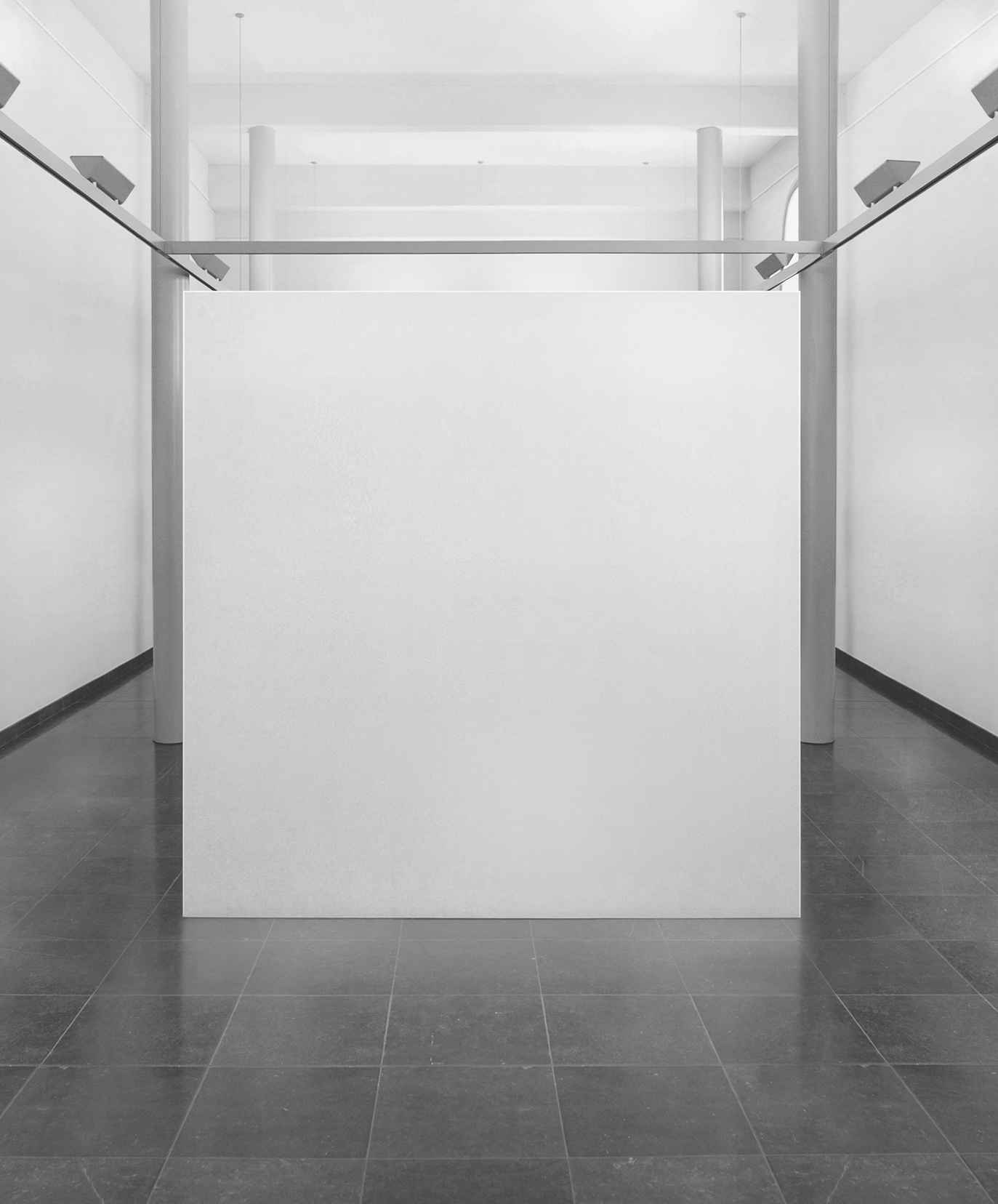
The reconstruction is enclosed within a building. The style and features from the industrial revolution, such as the cast-iron frame with glass, are no longer new and exciting, but rather tried-and-tested construction methods. The space seems designed specifically for the reconstruction. To be exhibited, to be studied.
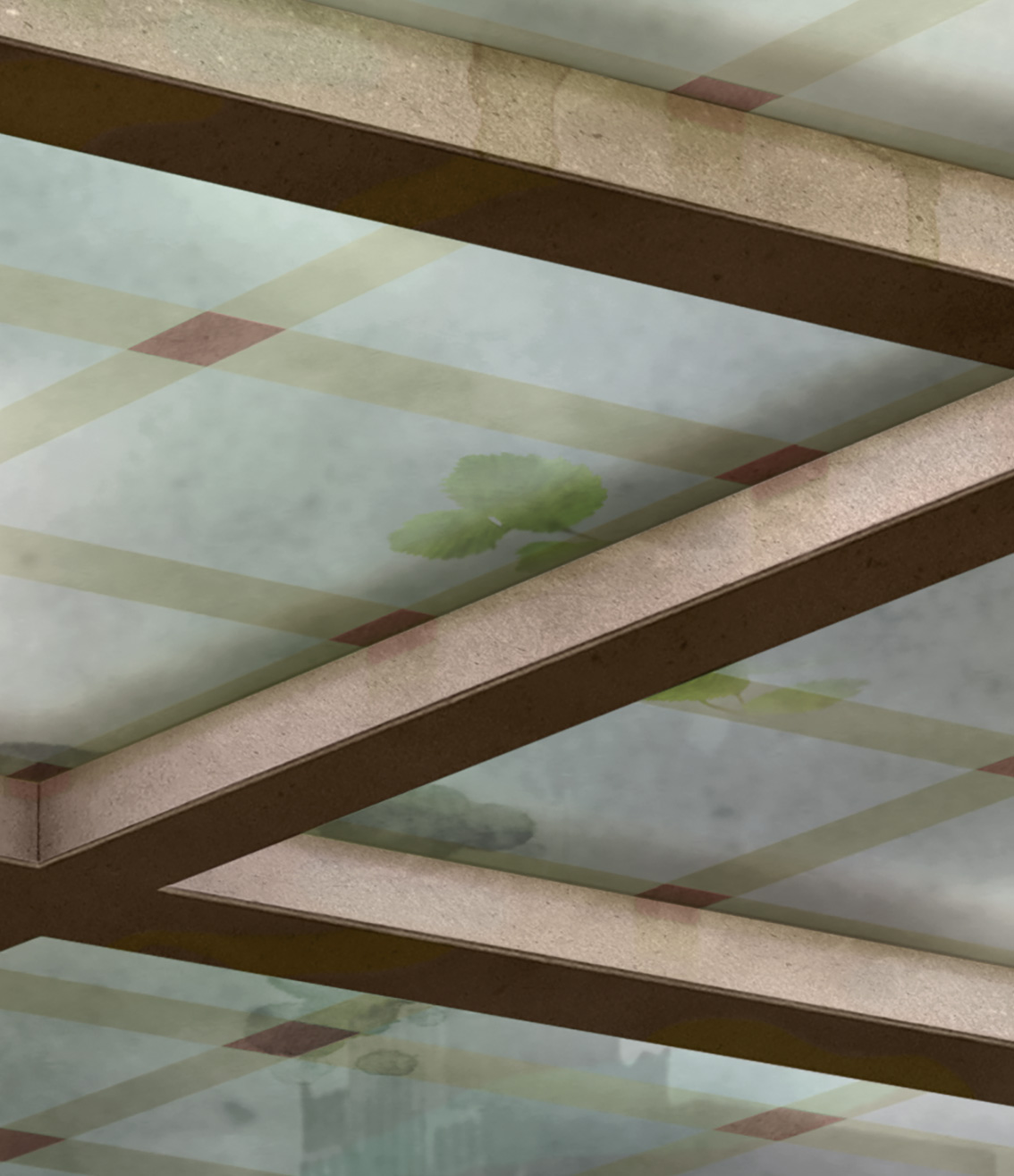
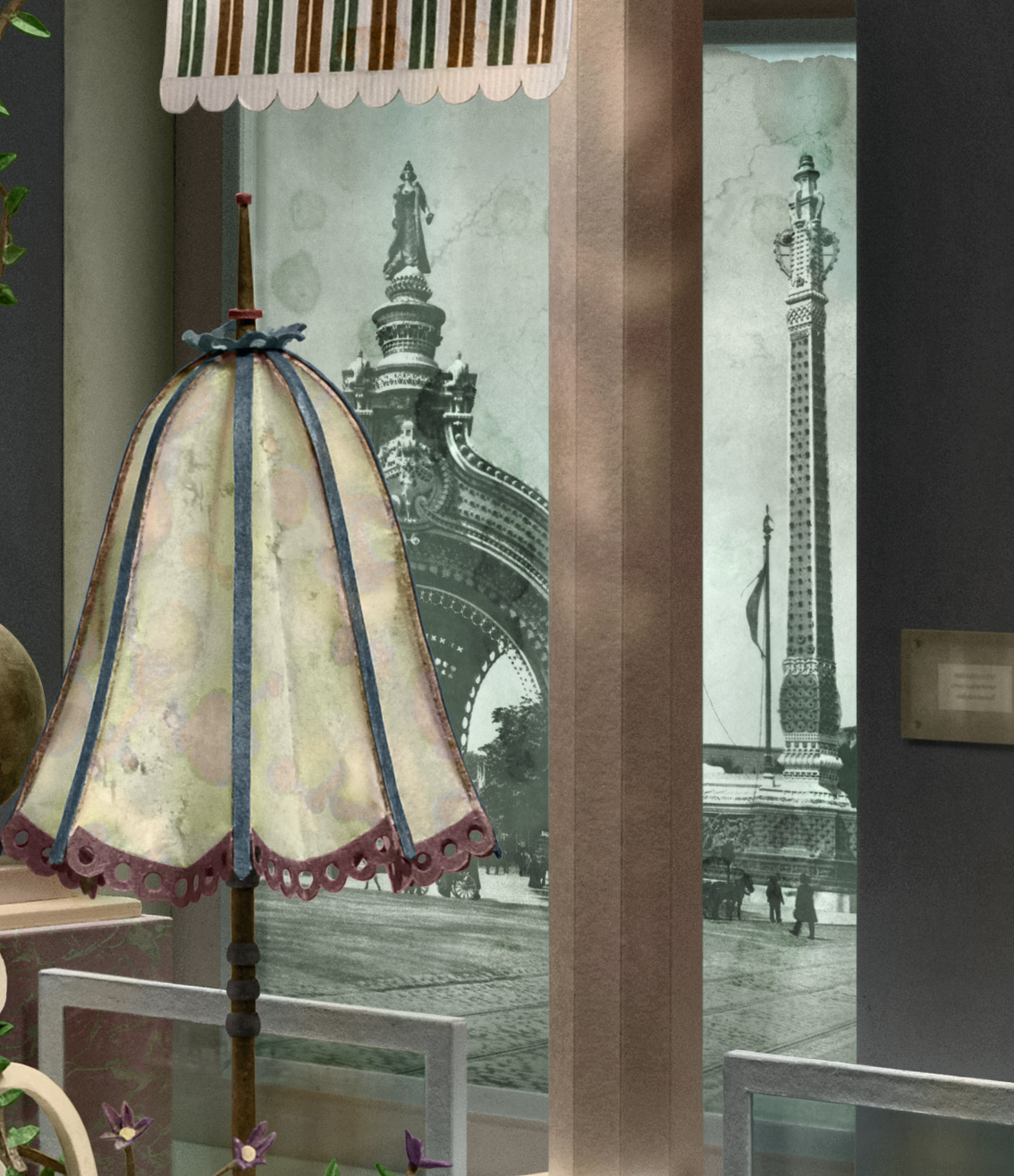
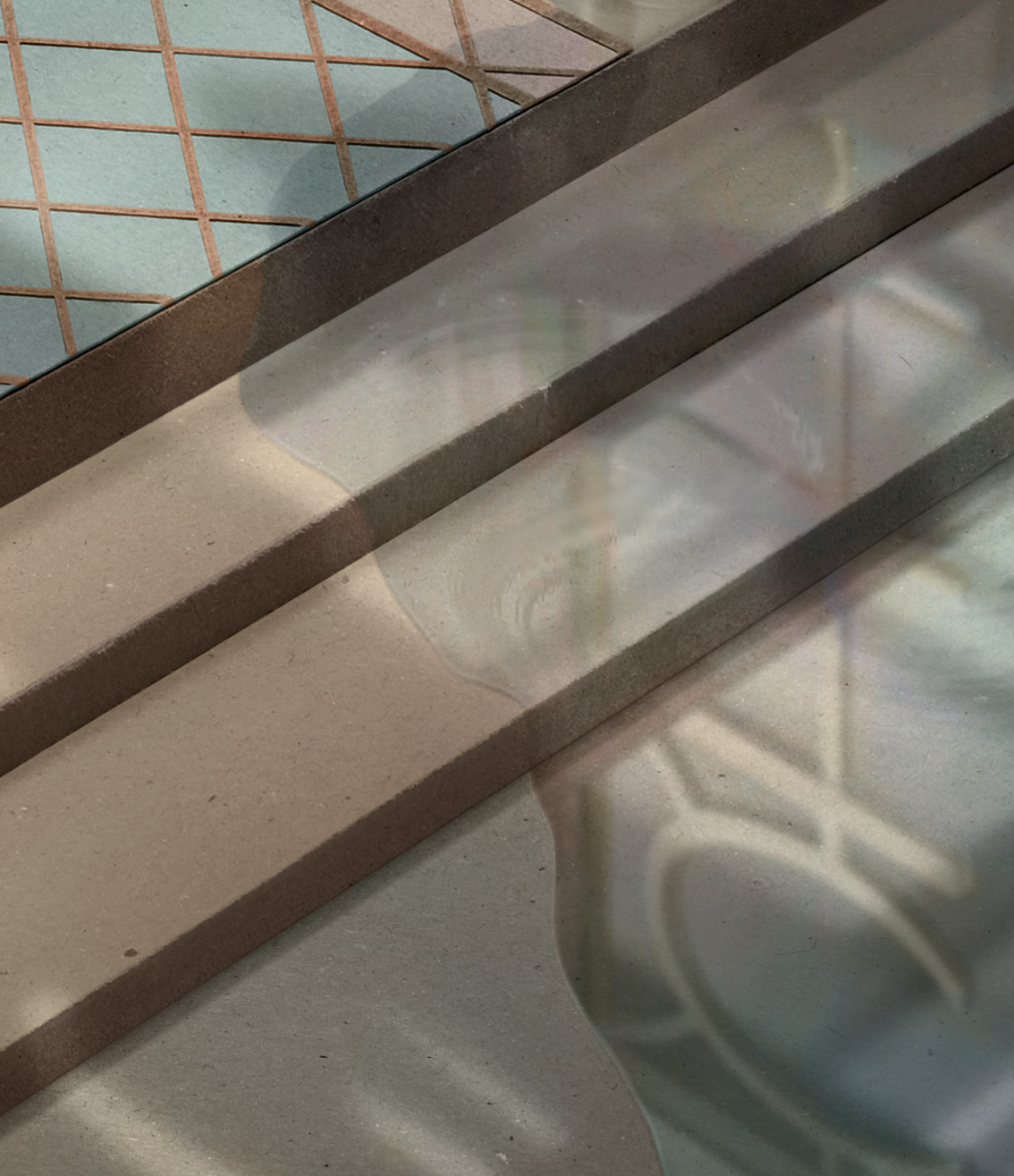
However, this building too is flawed and in decay. A glimpse of a newer era is visible through the glass ceiling, indicating that this era, too, is part of the past and needs to be re-examined. This suggests that missing links can be uncovered and a new understanding of this era can be achieved.
A cyclical repetition, like matryoshka dolls fitting together. (It’s worth noting that matryoshka nesting dolls were first exhibited at the 1900 World’s Fair in Paris.)
History is constantly revisited from the shifting ‘now’ with an eye toward the future. A vision within which art translates our world as a shifting, living story.
RECONSTRUCTIE I
We bekijken een statig herenhuis uit het begin van de negentiende eeuw.
Het interieur toont de invloed van wetenschap en ontdekkingsgeest op het dagelijks leven van de bourgeoisie. De voorwerpen verwijzen naar een leven buiten het huis: van boeken over koloniale rijken tot een verzameling Turkse kelims. Het huis spreekt van een wereldburger, een glimp van de moderne mentaliteit.
Het is een periode waarin de industriële en materiële wereld als ideaal werd gepresenteerd op de eerste wereldtentoonstellingen. Ze luidden de industriële revolutie in en demonstreerden geavanceerde technologie aan de wereldgemeenschap. Het was niet alleen een presentatie van mogelijkheden; het was een visie op de toekomst.
Zoals de Russische schrijver Fjodor Dostojevski besefte tijdens zijn verblijf in Londen in 1862, waar de Grote Tentoonstelling werd gehouden. Hij erkende het wereldhistorische belang van wat daar te zien was. "Je wordt je bewust van een enorm idee," schreef hij na zijn bezoek, waarin de uitbundige materiële cultuur werd getoond.
Dostojevski zag het echter ook als een waarschuwing: "Je voelt dat er een grote, eeuwige ontkenning en geluk voor nodig is om je niet over te geven, om niet te capituleren voor wat je ziet, om niet te buigen voor wat is, om de materiële wereld niet te accepteren als je ideaal."
Nu zijn alleen de overblijfselen van het herenhuis zichtbaar. Het is zorgvuldig herbouwd, alsof het een archeologische vondst is. Er zijn letterlijk gaten die opgevuld moeten worden, informatie ontbreekt. Om het begrijpelijk te maken, moet het in een context worden geplaatst die doelbewust is gereconstrueerd.
De reconstructie wordt omsloten door een gebouw. De stijl en kenmerken uit de industriële revolutie, zoals het gietijzeren frame met glas, zijn niet langer nieuw en spannend, maar beproefde bouwmethoden. De ruimte lijkt speciaal te zijn ontworpen voor deze reconstructie. Om tentoon te stellen, om te bestuderen.
Maar ook dit gebouw heeft gebreken en vertoont tekenen van verval. Een glimp van een nieuwer tijdperk is zichtbaar door het glazen plafond, wat aangeeft dat dit tijdperk zelf ook deel uitmaakt van het verleden en opnieuw onderzocht moet worden. Het suggereert dat ontbrekende schakels kunnen worden ontdekt en een nieuw begrip van dit tijdperk kan worden bereikt.
Dit creëert een cyclische herhaling, zoals matroesjka's die in elkaar passen. (Het is noemenswaardig dat matroesjka nestpoppen voor het eerst werden tentoongesteld op de Wereldtentoonstelling van 1900 in Parijs).
De geschiedenis wordt voortdurend opnieuw bekeken vanuit het verschuivende 'nu' met het oog op de toekomst. Een visie waarbinnen kunst onze wereld vertaalt als een verschuivend levend verhaal.