




To view the text on Aftermath (Tiles 3×3), please scroll down.


To view the text on Aftermath (Tiles 3×3), please scroll down.


Aftermath (Tiles 3×3)
Emptiness appears as the sculptural remnant of a structure that no longer exists.
-
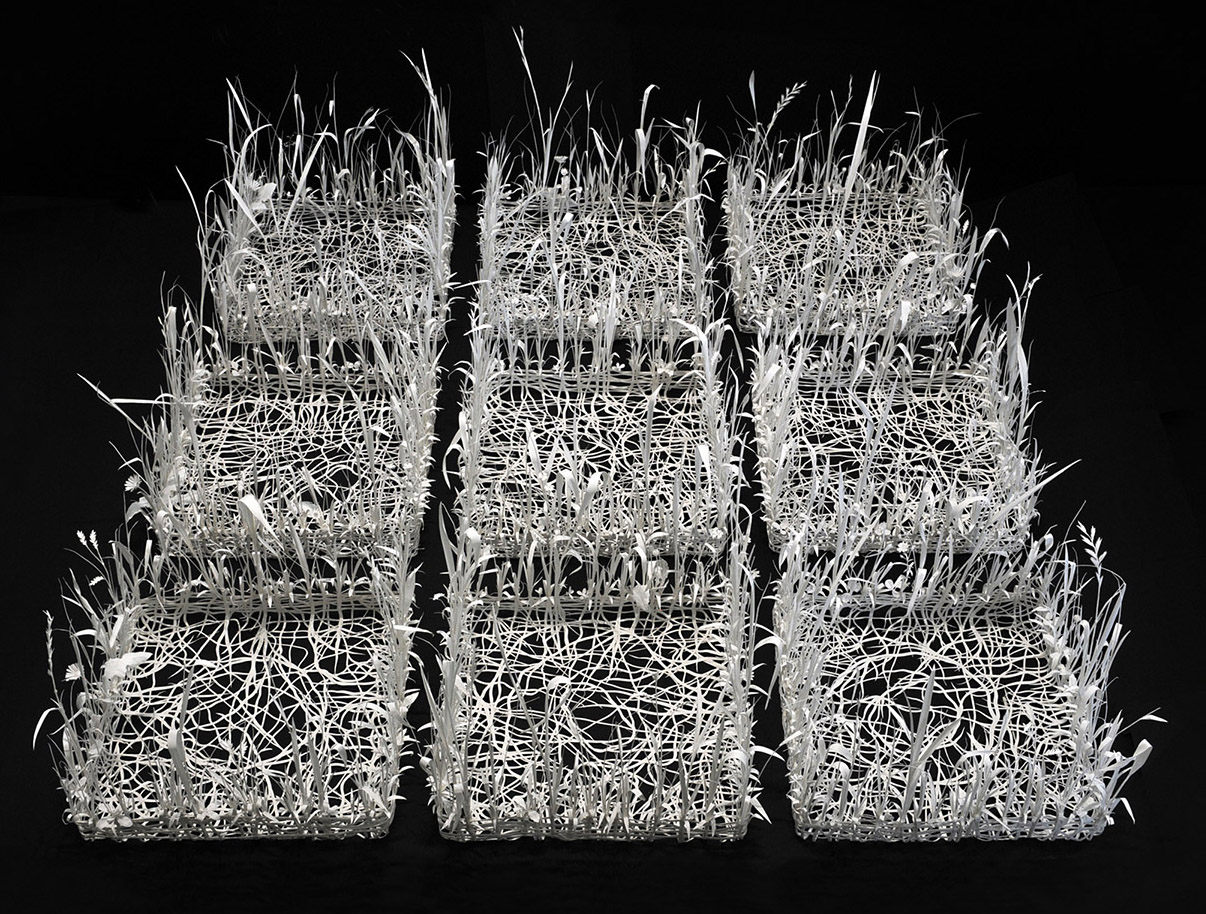
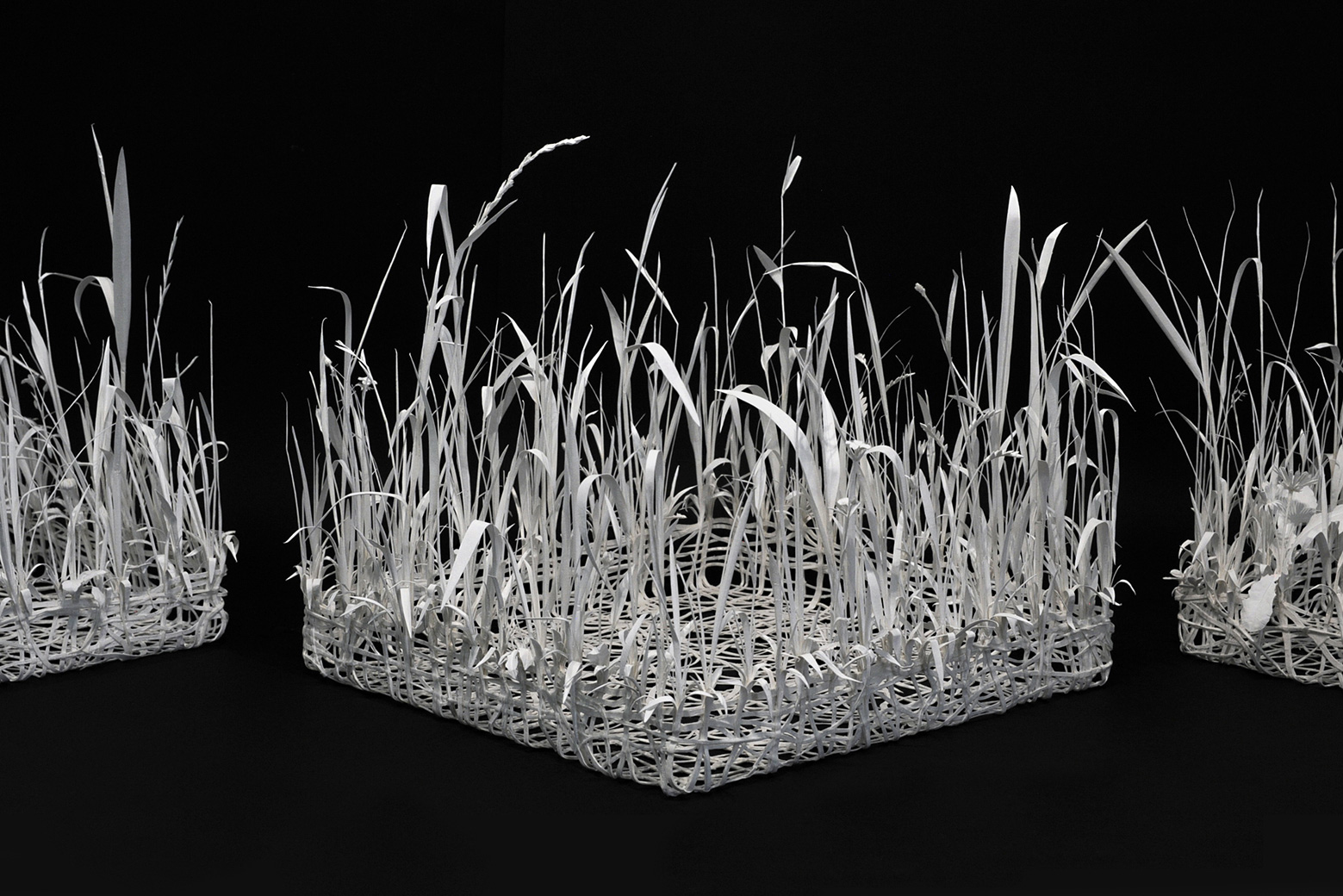
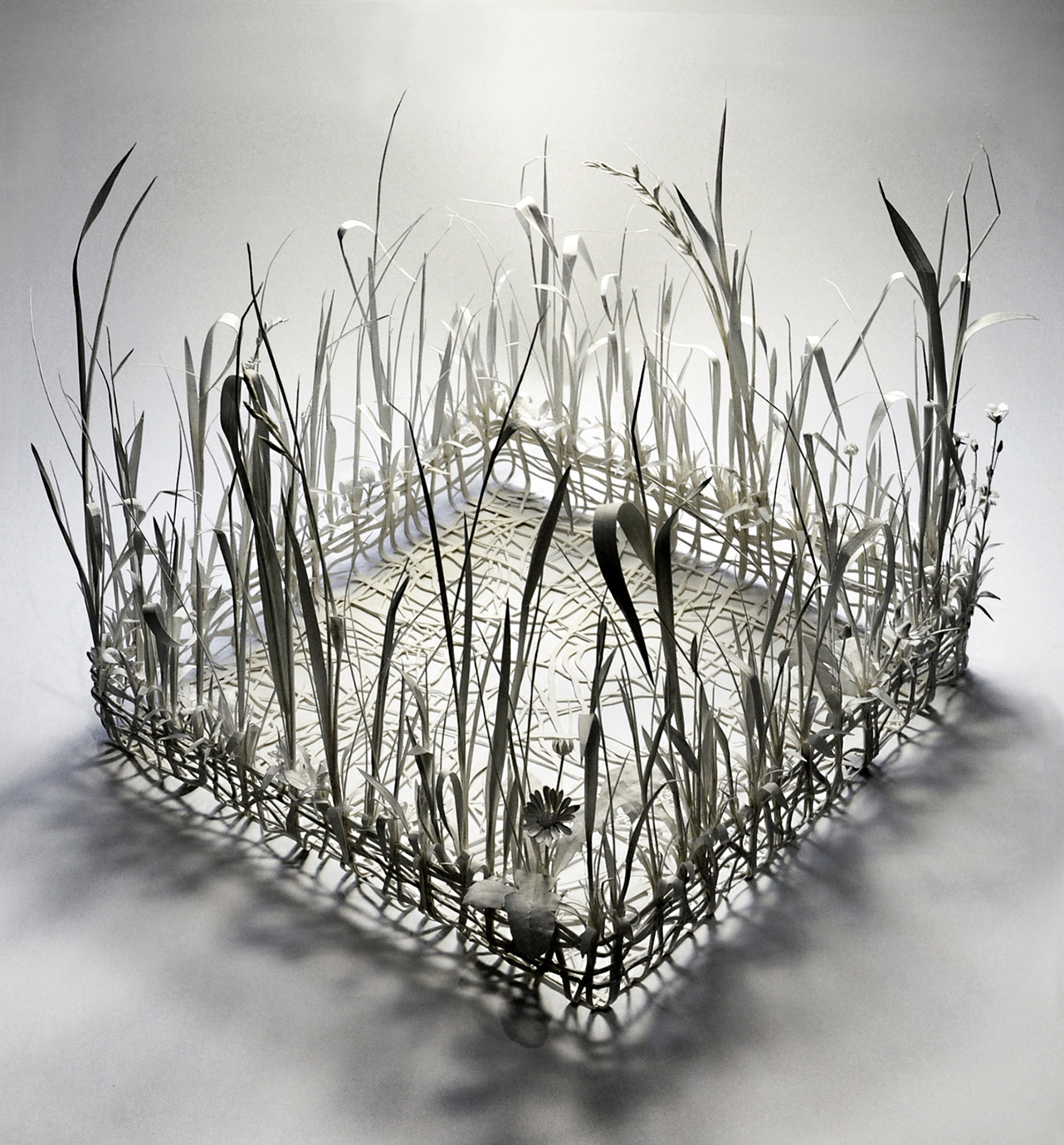
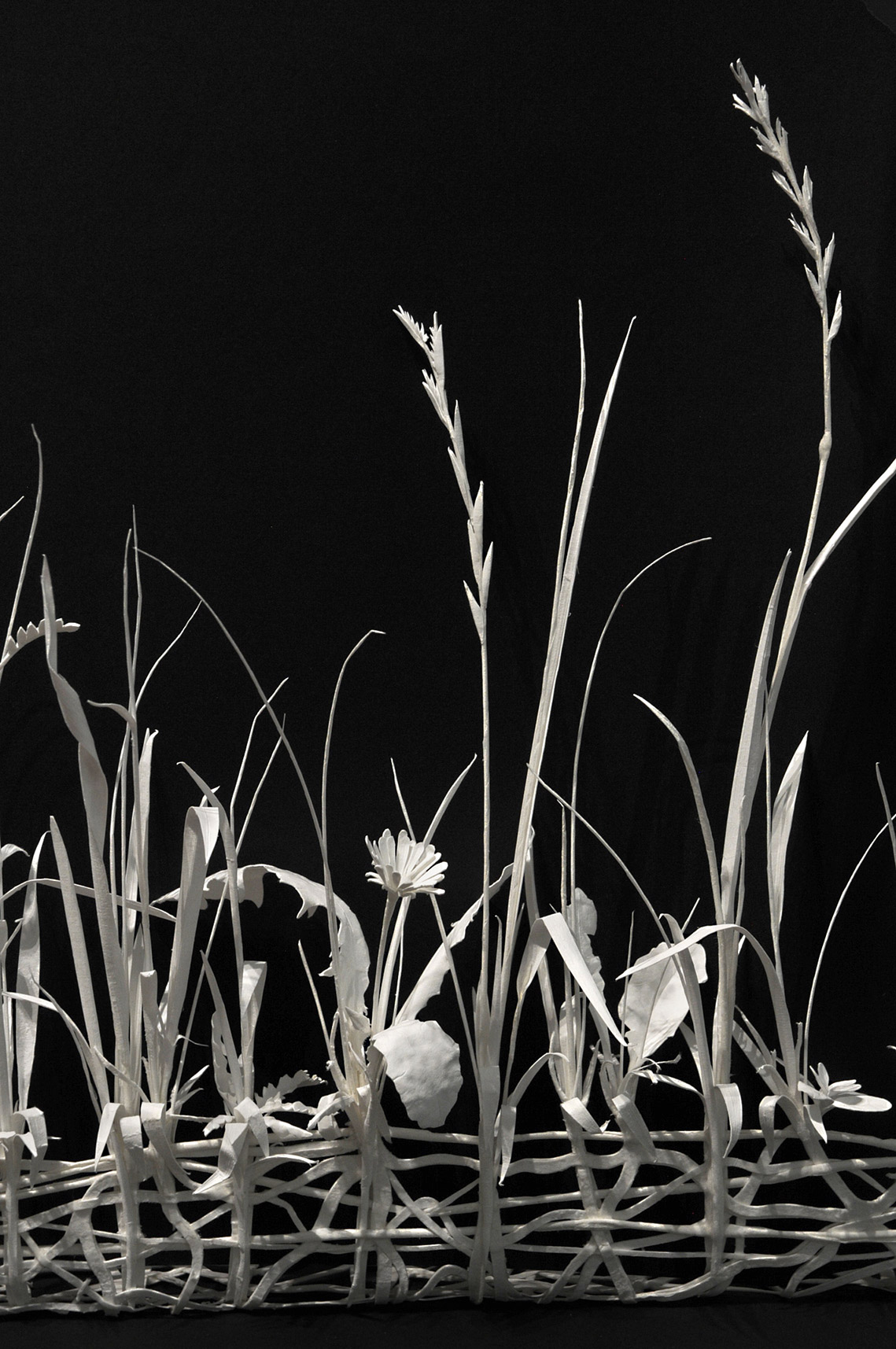
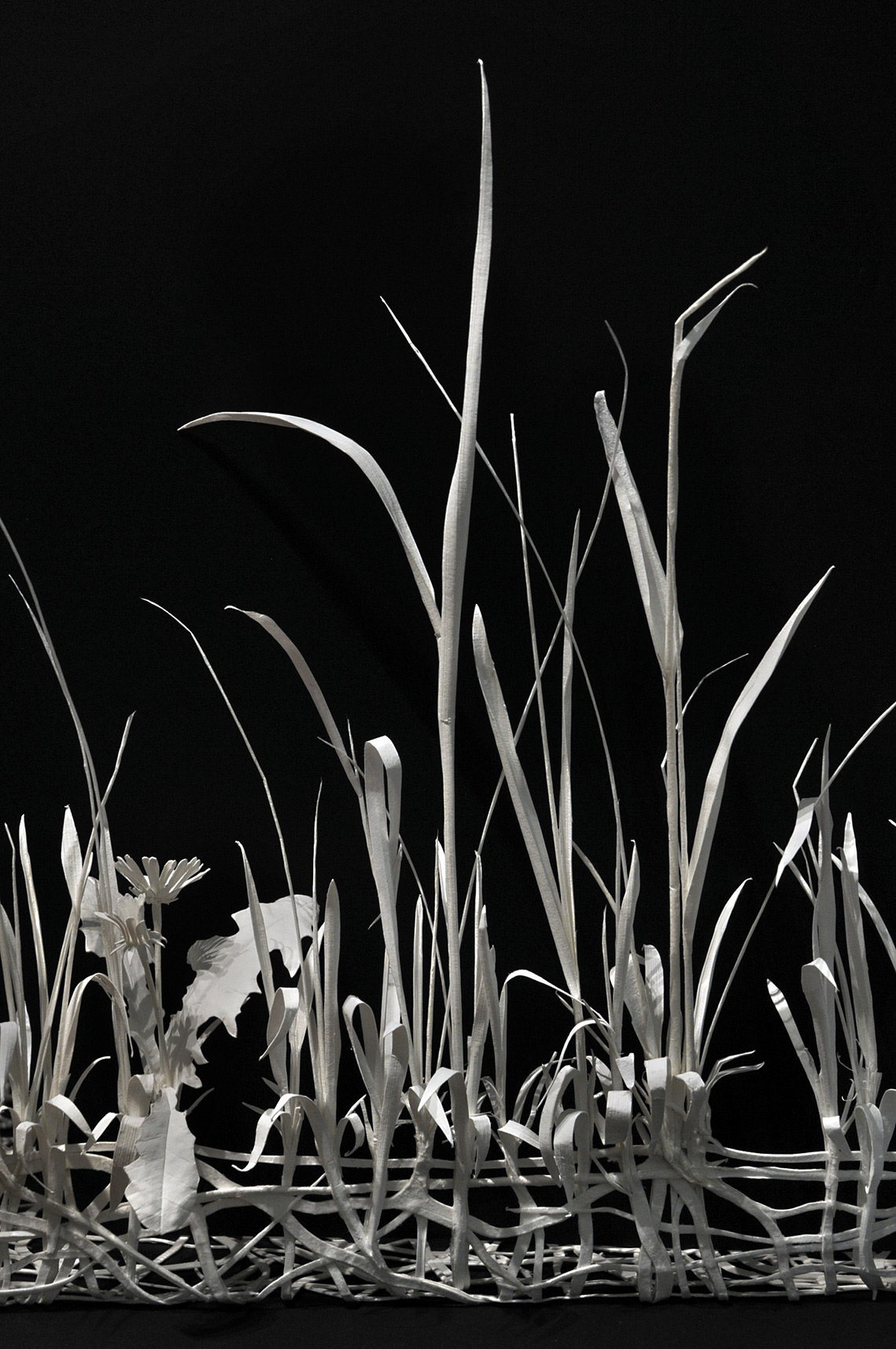
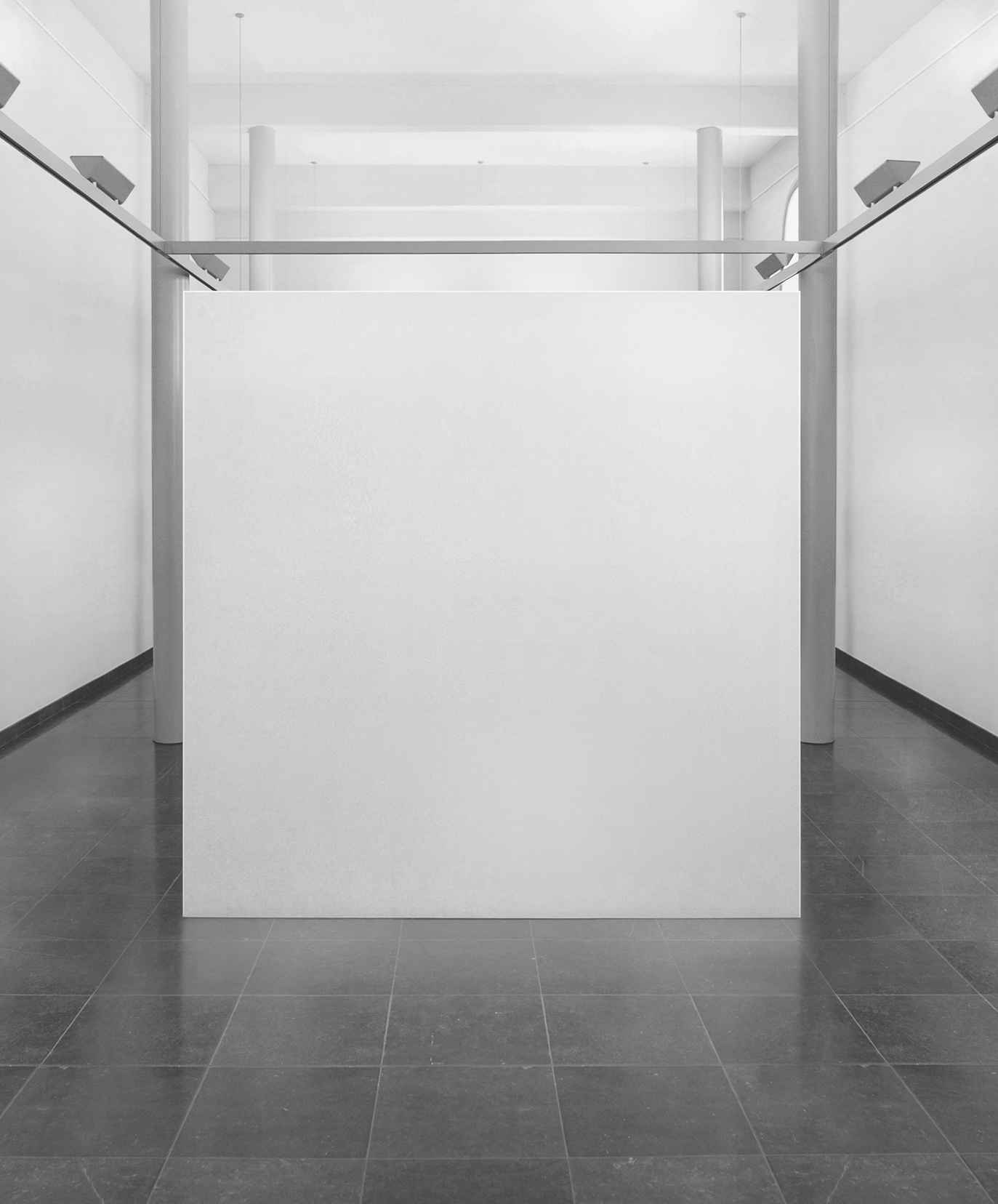
The work consists of a grid in which the original elements of nine tiles are absent. What remains is a network of lively structures that define this void from the outside. The memory of the vanished mass remains present in space; the contours bear the traces of a former boundary.
The ordering of the grid is palpable in an organic growth that never fully submits to it. The underlying essence holds its ground, becoming visible precisely through the disappearance of matter.
It shows the tangible presence of an absence.
Aftermath (Tiles 3×3)
Leegte verschijnt als sculpturale restvorm van een structuur die niet langer aanwezig is.
-
Het werk bestaat uit een raster waarin de oorspronkelijke elementen van negen tegels ontbreken. Wat overblijft, is een netwerk van levendige structuren dat deze leegte van buitenaf aftekent. De herinnering aan de verdwenen massa blijft in de ruimte aanwezig; de contouren dragen de sporen van een eerdere begrenzing.
De ordening van het raster is voelbaar in een organische groei die zich er nooit volledig naar voegt. De onderliggende essentie houdt stand, wordt juist zichtbaar door de verdwijning van de materie.
Het toont de tastbare aanwezigheid van een afwezigheid.
Aftermath (Tiles 3×3)
Emptiness appears as the sculptural remnant of a structure that no longer exists.
-
The work consists of a grid in which the original elements of nine tiles are absent. What remains is a network of lively structures that define this void from the outside. The memory of the vanished mass remains present in space; the contours bear the traces of a former boundary.
The ordering of the grid is palpable in an organic growth that never fully submits to it. The underlying essence holds its ground, becoming visible precisely through the disappearance of matter.
It shows the tangible presence of an absence.
Aftermath (Tiles 3×3)
Leegte verschijnt als sculpturale restvorm van een structuur die niet langer aanwezig is.
-
Het werk bestaat uit een raster waarin de oorspronkelijke elementen van negen tegels ontbreken. Wat overblijft, is een netwerk van levendige structuren dat deze leegte van buitenaf aftekent. De herinnering aan de verdwenen massa blijft in de ruimte aanwezig; de contouren dragen de sporen van een eerdere begrenzing.
De ordening van het raster is voelbaar in een organische groei die zich er nooit volledig naar voegt. De onderliggende essentie houdt stand, wordt juist zichtbaar door de verdwijning van de materie.
Het toont de tastbare aanwezigheid van een afwezigheid.