




To view the text on Bonsai – Aftermath (Tiles 3×3), please scroll down.


To view the text on Bonsai – Aftermath (Tiles 3×3), please scroll down.


Bonsai – Aftermath (Tiles 3×3)
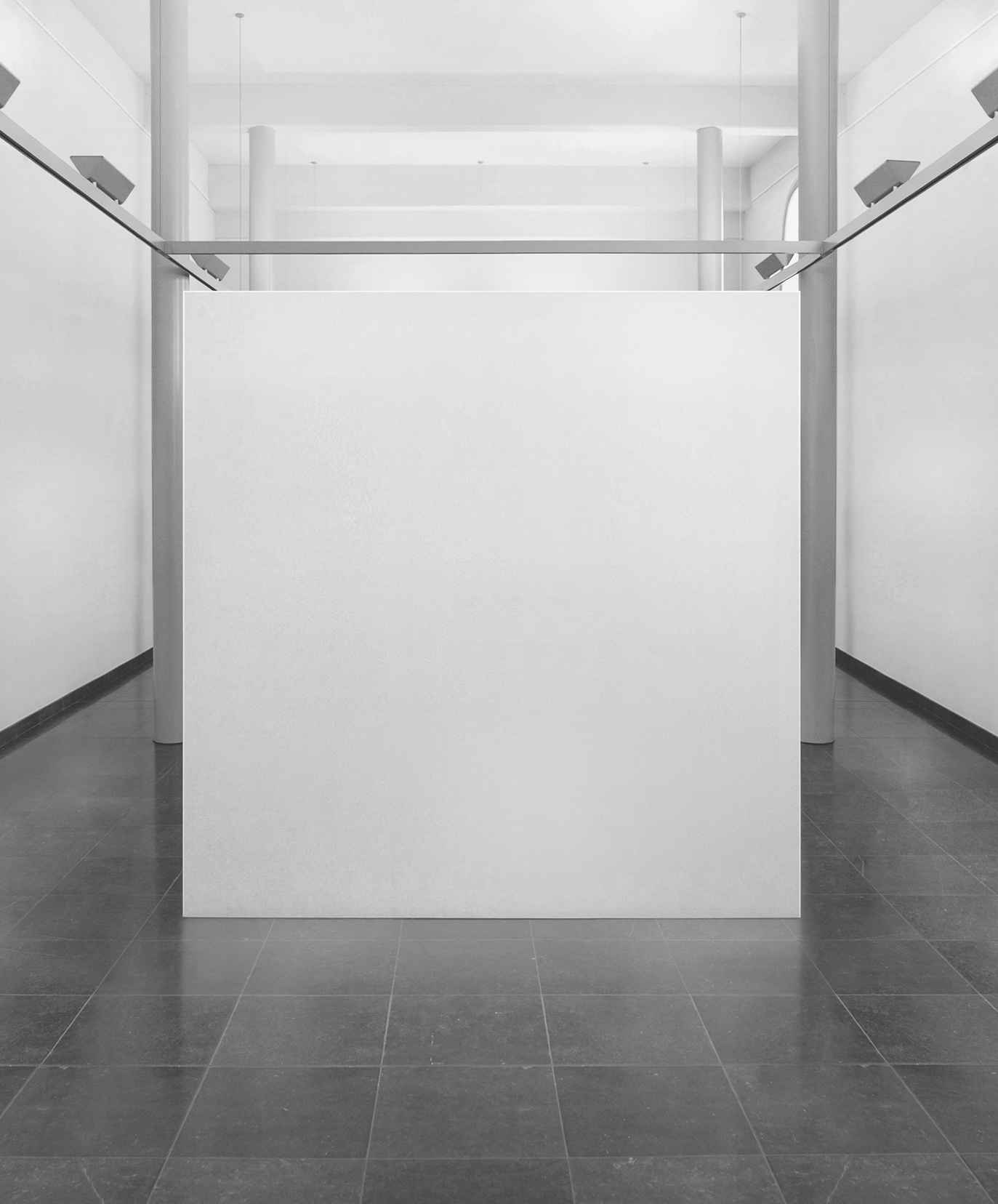
What is visible is not the form itself, but what remains of it. Space appears as an imprint, as the residual form of a structure that is no longer present.
What remains visible is recognisable as a trace, in which the past persists without its cause being visible.
-
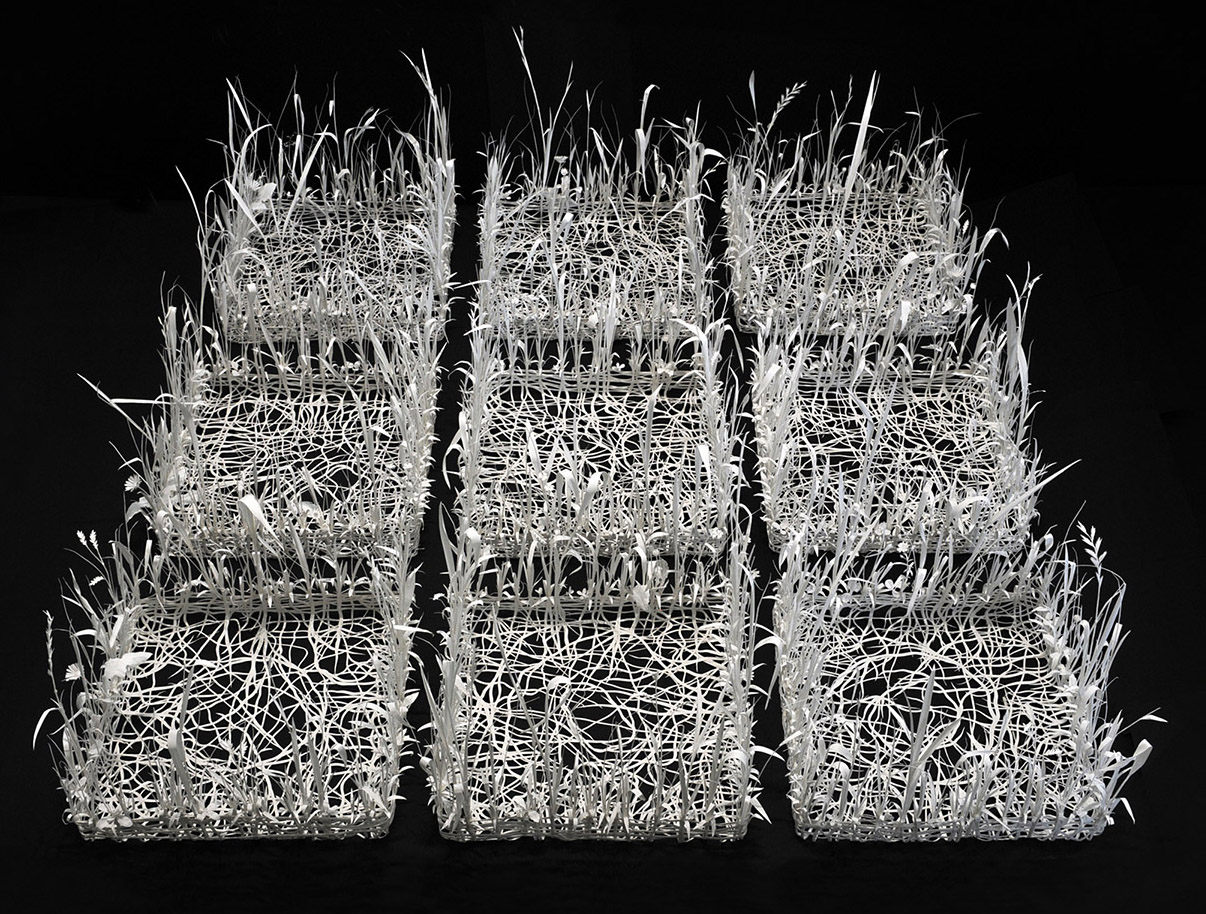
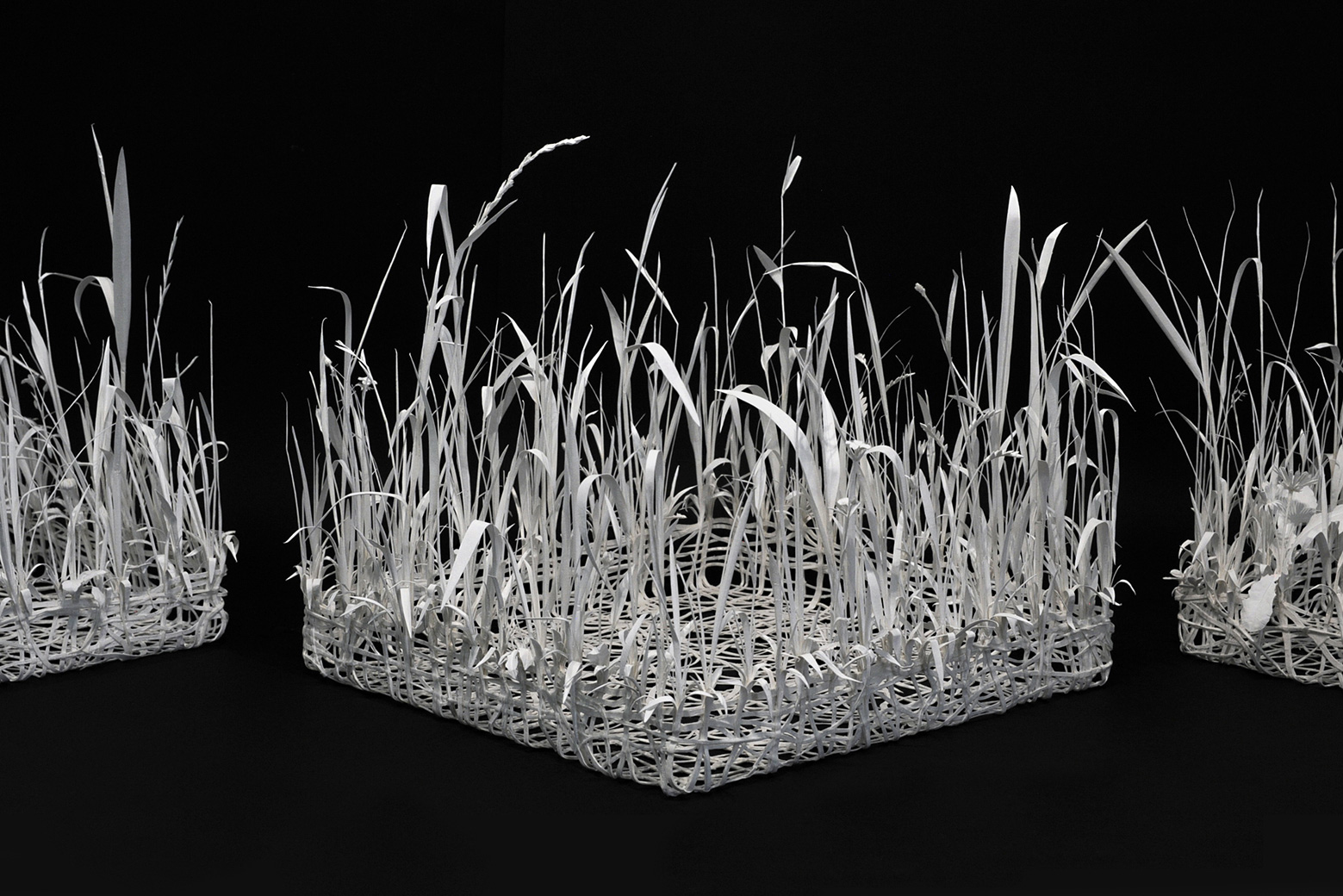
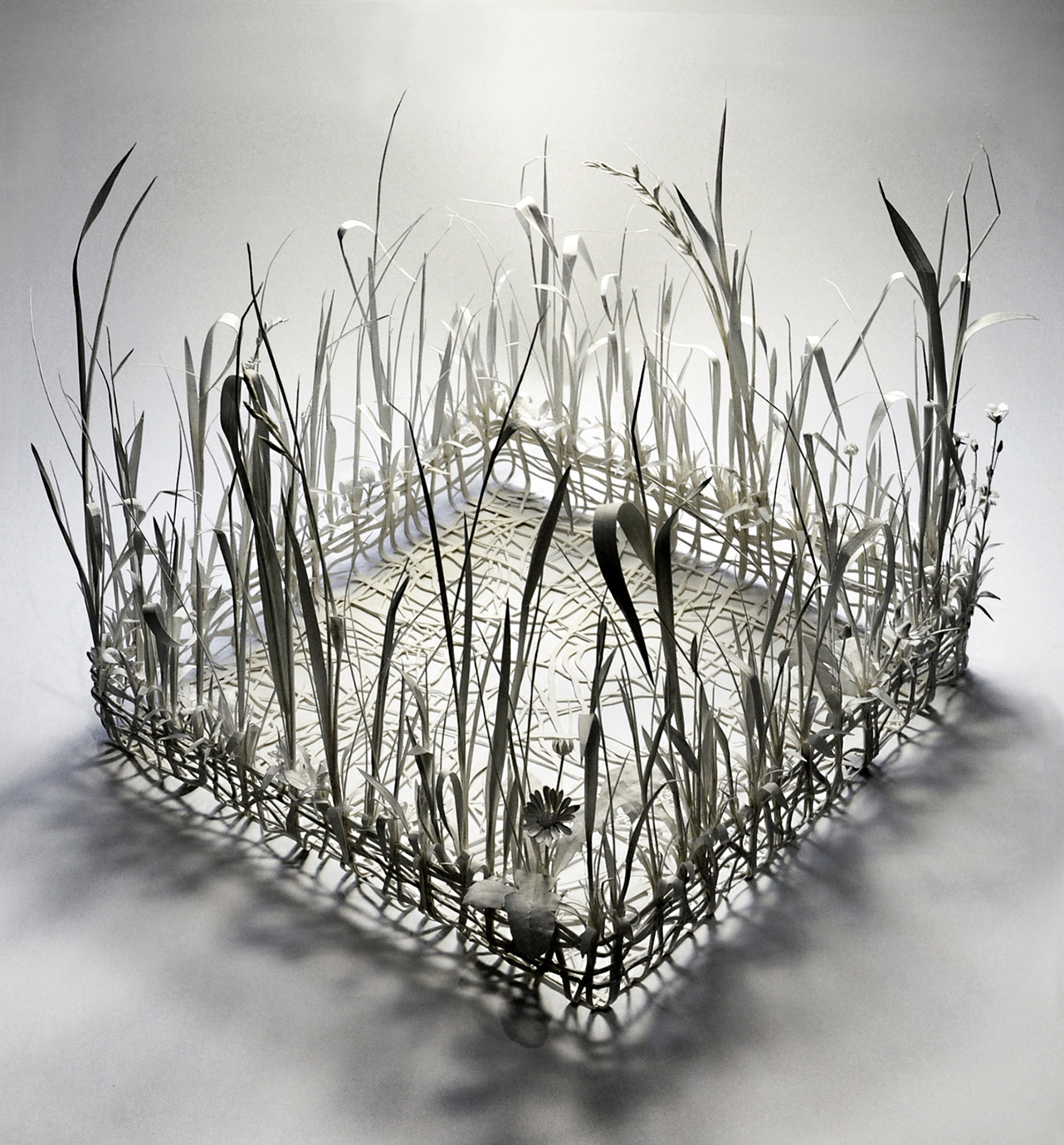
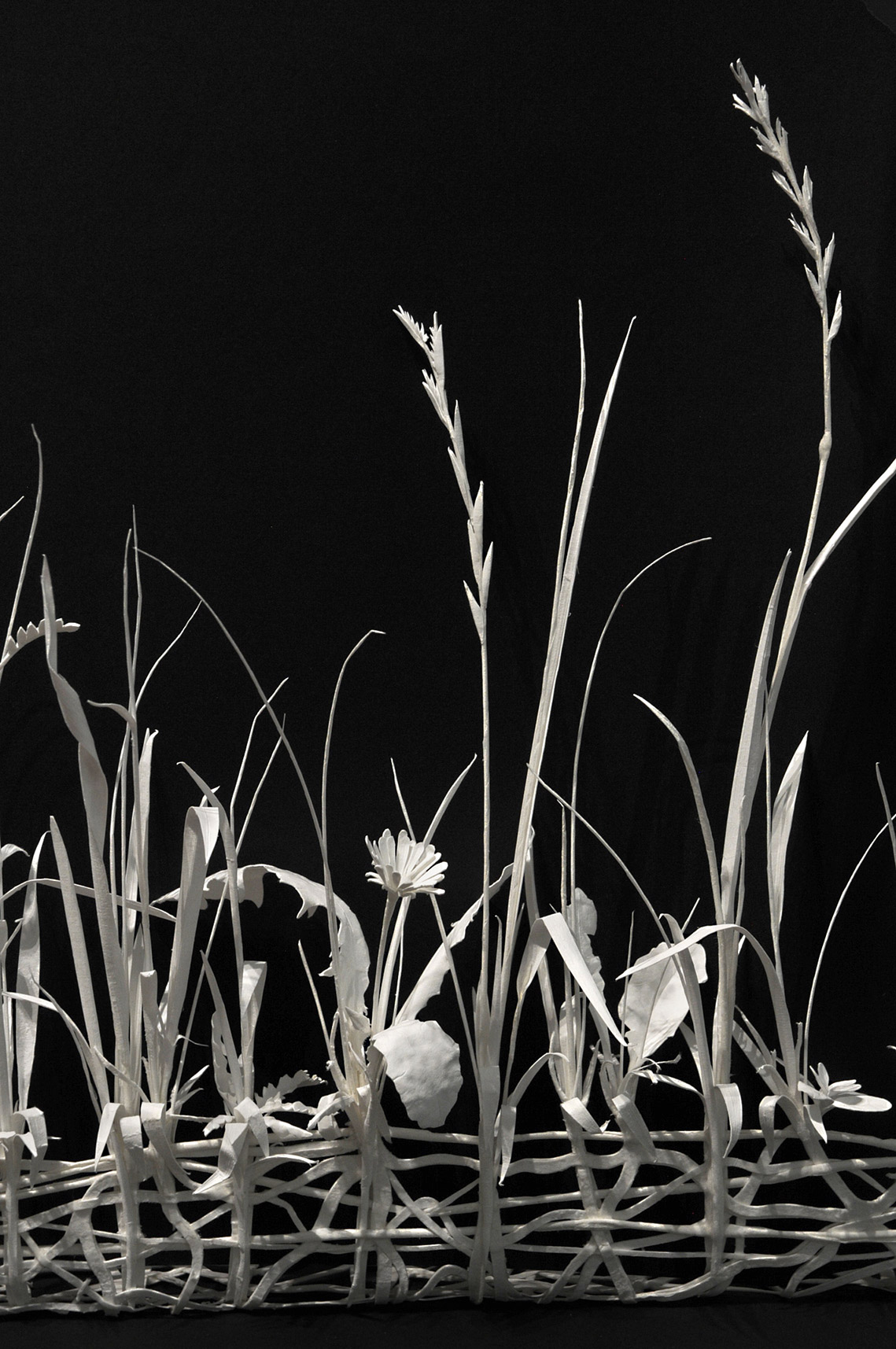
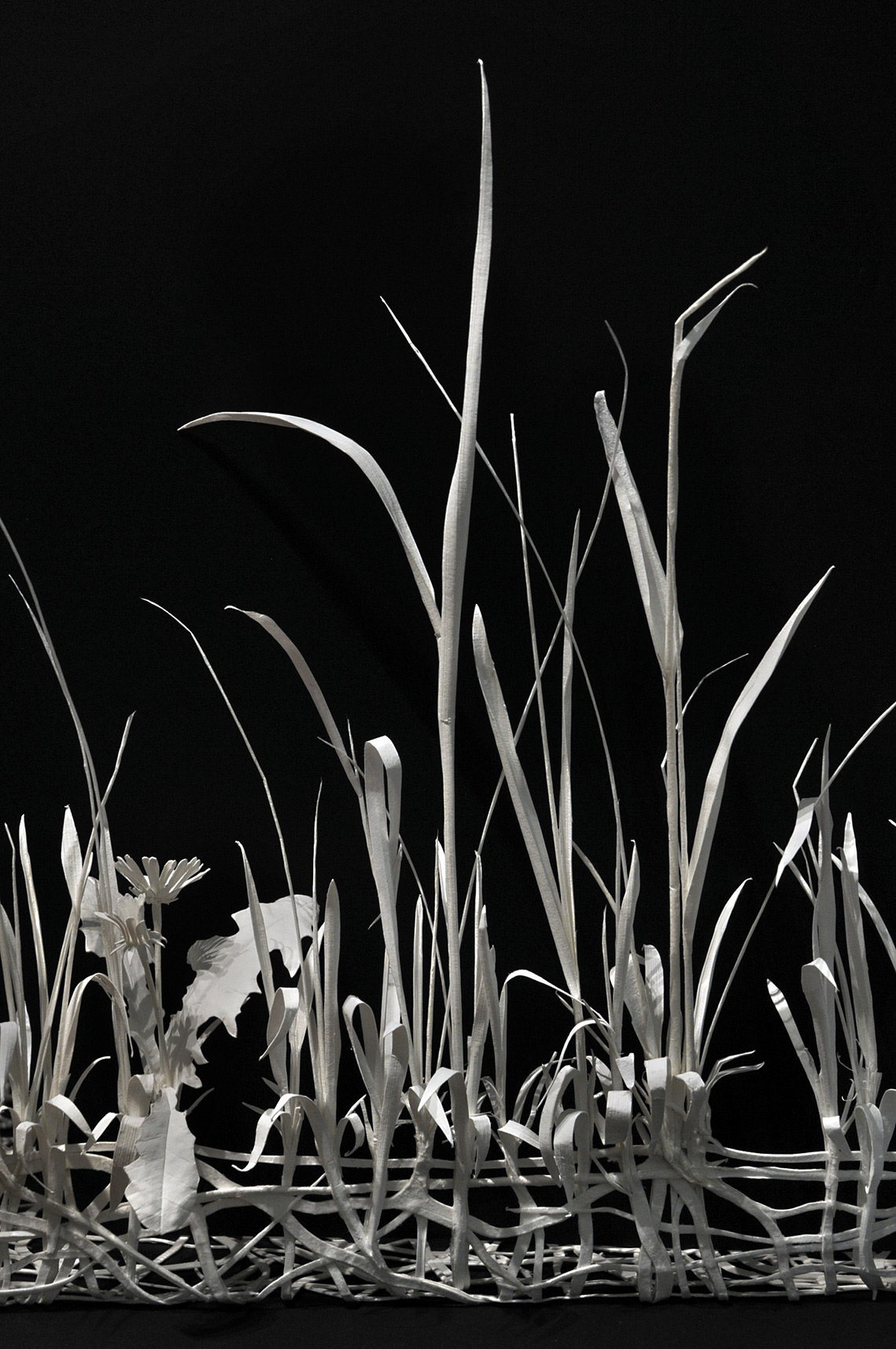
The work consists of a grid of nine tiles in which the original elements are absent. What remains are contours and a network of root- and grass-like structures that form around the missing tiles, outlining their shape from the outside.
The ordering of the grid remains recognisable as a human intervention, yet is overtaken by an organic growth that does not fully submit to that structure. The work does not depict nature, but a condition in which a constructed order becomes visible through absence.
Bonsai – Aftermath (Tiles 3×3)
Wat zichtbaar is, is niet de vorm zelf, maar wat daarvan is overgebleven. De ruimte verschijnt als afdruk, als restvorm van een structuur die niet langer aanwezig is.
Wat zichtbaar blijft is herkenbaar als spoor, waarin het verleden aanwezig blijft zonder dat de aanleiding nog zichtbaar is.
-
Het werk bestaat uit een raster van negen tegels waarin de oorspronkelijke elementen ontbreken. Wat zichtbaar wordt zijn contouren en een netwerk van wortel- en grasachtige structuren die zich rondom de afwezige tegels vormen en hun vorm van buitenaf aftekenen.
De ordening van het raster blijft herkenbaar als menselijke ingreep, maar wordt overgenomen door een organische groei die zich niet aan die structuur onderwerpt. Het werk toont geen natuur, maar een situatie waarin een geconstrueerde ordening zichtbaar wordt via afwezigheid.
Bonsai – Aftermath (Tiles 3×3)
What is visible is not the form itself, but what remains of it. Space appears as an imprint, as the residual form of a structure that is no longer present.
What remains visible is recognisable as a trace, in which the past persists without its cause being visible.
-
The work consists of a grid of nine tiles in which the original elements are absent. What remains are contours and a network of root- and grass-like structures that form around the missing tiles, outlining their shape from the outside.
The ordering of the grid remains recognisable as a human intervention, yet is overtaken by an organic growth that does not fully submit to that structure. The work does not depict nature, but a condition in which a constructed order becomes visible through absence.
Bonsai – Aftermath (Tiles 3×3)
Wat zichtbaar is, is niet de vorm zelf, maar wat daarvan is overgebleven. De ruimte verschijnt als afdruk, als restvorm van een structuur die niet langer aanwezig is.
Wat zichtbaar blijft is herkenbaar als spoor, waarin het verleden aanwezig blijft zonder dat de aanleiding nog zichtbaar is.
-
Het werk bestaat uit een raster van negen tegels waarin de oorspronkelijke elementen ontbreken. Wat zichtbaar wordt zijn contouren en een netwerk van wortel- en grasachtige structuren die zich rondom de afwezige tegels vormen en hun vorm van buitenaf aftekenen.
De ordening van het raster blijft herkenbaar als menselijke ingreep, maar wordt overgenomen door een organische groei die zich niet aan die structuur onderwerpt. Het werk toont geen natuur, maar een situatie waarin een geconstrueerde ordening zichtbaar wordt via afwezigheid.